

 See My Latest Article on HelloNation
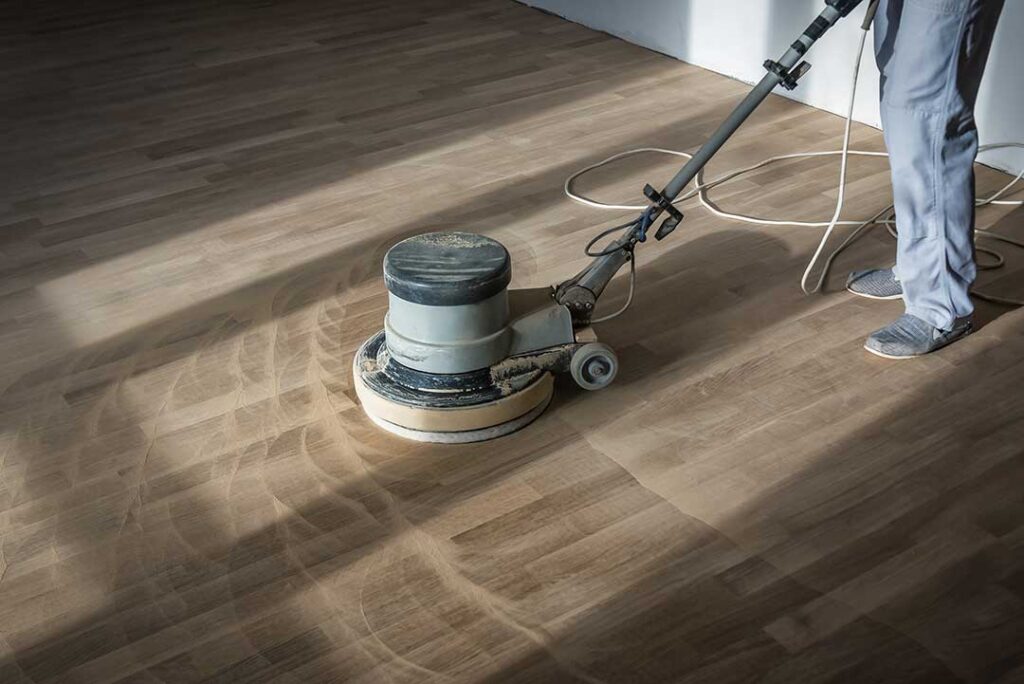
Furniture can leave dents, scratches, scuffs, and discoloration on nearly any flooring surface. The right protection depends on the floor material, the furniture’s weight, how often it moves, and whether local conditions such as winter moisture or tracked-in grit are involved.
In Greeley, CO, seasonal temperature changes, dry conditions, and winter residue brought indoors can all affect how floors respond to furniture. A few simple habits can reduce damage without making rooms difficult to use.
What types of furniture damage are most common?
The most frequent problems are pressure dents, scratches, surface scuffs, and moisture-related discoloration. Each type has a different cause and may require a different prevention method.
- Dents: Heavy sofas, beds, bookcases, and tables can compress softer flooring or leave impressions in carpet.
- Scratches: Furniture legs, grit under furniture, and sliding objects can damage wood, laminate, luxury vinyl, and some resilient flooring.
- Scuffs: Rubber, plastic, painted metal, and dark-colored feet may leave marks when furniture shifts.
- Uneven fading: Furniture that remains in place can shield flooring from sunlight, causing color differences when it is later moved.
- Moisture damage: Wet boots, damp furniture legs, spilled liquids, or condensation can stain flooring or cause swelling around seams.
Damage is more likely when furniture is heavy, moved frequently, placed on uneven legs, or used over small contact points.
Should furniture pads be used on every floor?
Furniture pads are useful on most hard-surface floors, but the pad material and design should match the flooring. A pad that works well on finished wood may not be suitable for every resilient or factory-finished surface.
For chairs, tables, sofas, and cabinets, use protective feet or glides with a broad, stable base. Felt pads are commonly suitable for many finished hard floors, provided they are clean and securely attached. They should be large enough to distribute weight and thick enough to remain between the furniture and floor.
Avoid relying on a thin adhesive pad indefinitely. Adhesive can loosen, collect grit, or transfer residue. Check pads periodically and replace them when they become compressed, dirty, or detached.
For heavier furniture, cup-style protectors or wide load-distributing pads may work better than small felt circles. Follow the flooring manufacturer’s care instructions when available, particularly for resilient flooring and laminate.
How can furniture be moved without scratching the floor?
Furniture should be lifted whenever possible rather than dragged. Even a short slide can pull grit across the surface and create scratches that are difficult to remove.
For large pieces:
- Remove books, dishes, drawers, and other removable weight first.
- Use two or more people when the furniture can be lifted safely.
- Place clean moving blankets, cardboard, or appropriate sliders beneath the legs.
- Check the path for gravel, sand, pet debris, and other abrasive particles.
- Move slowly and keep the furniture level.
- Do not pivot heavy pieces directly on the floor.
Hard plastic sliders can be useful on carpet but may be too abrasive for some hard surfaces. Soft, clean moving pads are generally safer for finished flooring. Never push furniture across a damp floor, because moisture and pressure can increase the risk of staining, swelling, or finish damage.
What protection works best for carpet?
Carpet can develop crushing, matting, or permanent impressions under heavy furniture. A broad furniture base spreads the load more effectively than narrow legs.
For furniture that remains in one position, use carpet protectors designed to distribute weight. Clear rigid protectors may be appropriate beneath office chairs, while larger support cups can help beneath beds, sofas, and heavy tables. The protector should be stable and should not have sharp edges that cut into the carpet or pad.
Vacuum around furniture periodically, even when the furniture is rarely moved. Grit trapped in carpet can work downward into the fibers and backing. If a piece must be relocated, shift it only after clearing the route and checking that the furniture feet will not catch the carpet.
Some carpet impressions may improve after the furniture is removed. Gentle vacuuming, light brushing, or carefully applying moisture according to the carpet manufacturer’s instructions may help. Avoid excessive heat or soaking, which can create additional problems.
How should wood, laminate, and luxury vinyl floors be protected?
Wood flooring is vulnerable to scratches, pressure marks, and moisture around seams. Felt glides, clean furniture pads, and careful lifting are usually safer than dragging. Keep plant stands, pet bowls, and damp items from sitting directly on wood for long periods.
Laminate flooring can resist ordinary wear but may be damaged by grit and standing moisture. Because laminate often has a printed surface layer, deep scratches cannot always be refinished like solid wood. Use clean, broad furniture protectors and wipe up spills promptly.
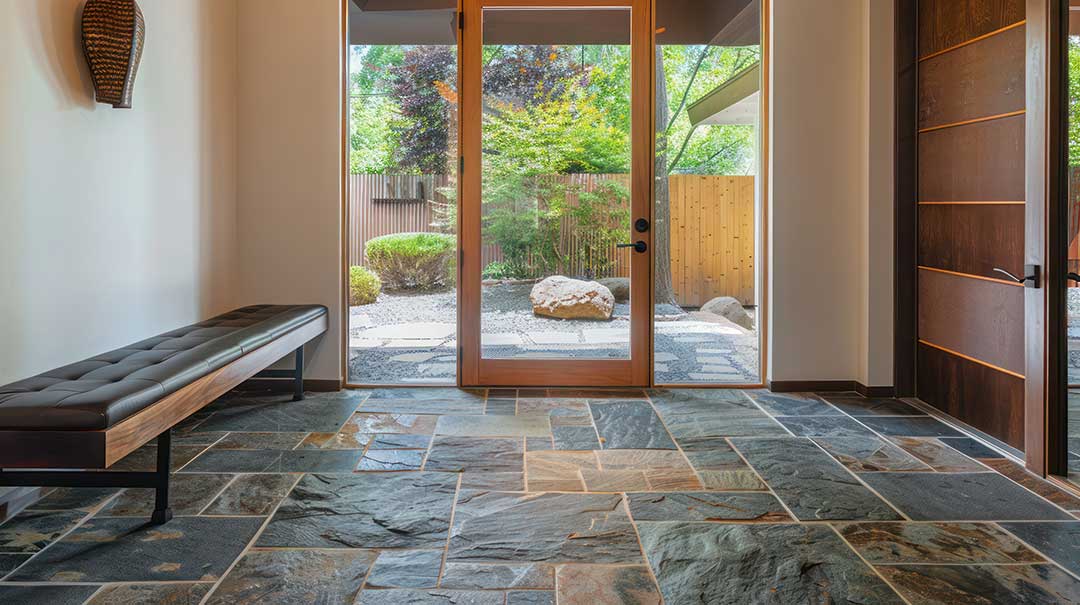
Luxury vinyl is resilient but not indestructible. Heavy furniture can create indentations, and some rubber-backed materials may discolor certain vinyl surfaces over time. Use protectors approved for resilient flooring, avoid narrow sharp feet when possible, and inspect the floor after moving heavy pieces.
Regardless of material, do not place dirty or wet pads directly on the floor. A protector that contains sand, grit, or trapped moisture can cause more damage than the furniture itself.
How do local seasonal conditions affect furniture protection?
Area households often deal with dry, dusty periods, winter moisture, and residue tracked indoors from outdoor surfaces. Fine grit near entryways can act like sandpaper beneath furniture feet or chair legs.
Entry mats can reduce the amount of abrasive debris that reaches flooring, but they should be kept clean and dry. Wet or saturated mats can transfer moisture to the floor. During snowy or icy weather, remove wet footwear near the entry area and address puddles promptly.
Indoor humidity also affects some flooring materials and wood furniture. Very dry conditions may contribute to gaps or movement in wood flooring, while excessive moisture can contribute to swelling or cupping. Maintaining a relatively stable indoor environment is generally better than allowing large humidity swings.
Furniture should not be placed tightly against walls if seasonal movement, cleaning, or inspection is needed. Leave enough space to clean around legs and identify moisture or debris before it causes damage.
How often should furniture protectors be checked?
Inspect furniture pads every few months and whenever a piece is moved. Look for compressed felt, exposed fasteners, loose adhesive, hardened plastic, accumulated grit, or discoloration.
Pay special attention to:
- Dining chairs that move repeatedly across the floor
- Office chairs used at a desk
- Bed frames and sofas that carry concentrated weight
- Bookcases and cabinets loaded with heavy contents
- Furniture near entryways or areas exposed to moisture
- Pieces that rock, wobble, or rest unevenly
A wobbly leg can concentrate pressure on one small area, increasing the chance of dents or scratches. Tightening hardware, leveling the furniture, or replacing a damaged foot may prevent a larger flooring problem.
What should be avoided?
Do not drag heavy furniture, use damaged glides, or leave grit trapped beneath protective pads. Avoid using random cardboard or rough materials for long-term protection, since they can shift, absorb moisture, or abrade the surface.
Rubber and plastic materials should also be selected carefully. Some products can stain or react with certain finishes, particularly when exposed to heat, sunlight, or moisture for extended periods. Test an unfamiliar protector in an inconspicuous area and follow the flooring manufacturer’s maintenance guidance.
The most reliable routine is simple: lift rather than drag, distribute weight, keep pads clean, control tracked-in grit, and inspect high-use furniture regularly. These steps help preserve the floor while allowing rooms to remain practical and comfortable.