

 See My Latest Article on HelloNation
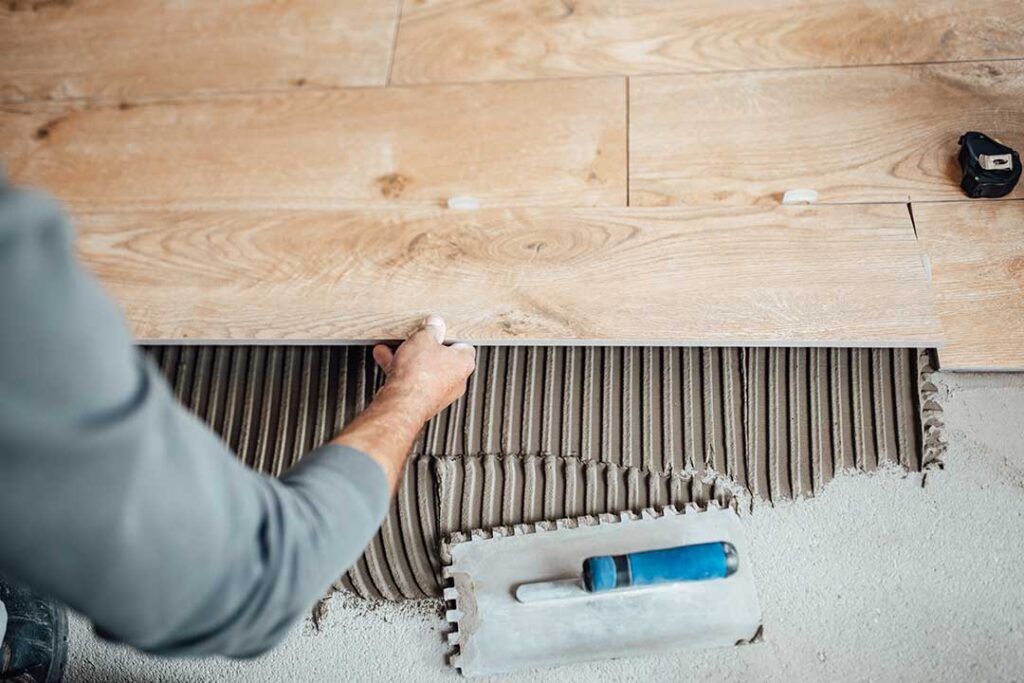
Why Preparation Matters for Floor Installation
Preparing a home before new flooring is installed saves time, reduces stress, and helps ensure quality results. Proper preparation allows installers to work efficiently, lessens the chance of damage to belongings, and minimizes disruptions for area households.
What Should Be Removed Before Installation?
All removable items—such as furniture, rugs, and décor—should be cleared from installation areas ahead of time. Uncluttered rooms make the process faster and help protect valuable or fragile possessions. In most cases, it’s also a good idea to:
- Take down wall hangings, clocks, and mirrors in rooms getting new floors
- Remove small electronics, books, and personal items from built-in shelving or open cabinets
- Empty closets and pantries if their floors will be replaced
Sometimes baseboards or doors must be detached or trimmed (especially for thick new flooring like hardwood). If that’s needed, installers may ask residents to clear nearby items and allow contractors to handle the removal safely.
How Clean Should Floors Be Before Work Begins?
Clean floors and workspaces lay the groundwork for quality installation. Sweep, vacuum, or mop the subfloor a day or two before installation to remove dust, dirt, and debris. While installers often do additional prep, excessive dust or spills can slow down the process. Pet hair and mud are especially common during Greeley’s windier or wetter seasons, so a second quick pass may be helpful just before crews arrive.
For vinyl or laminate installation, make sure the subfloor and rooms are completely dry. Moisture beneath new flooring can cause persistent problems, especially in basements or ground-level rooms in the area.
Is There Anything to Watch for With Local Climate or Construction?
Colorado’s foothills climate brings seasonal challenges for flooring projects, such as wide humidity swings, afternoon thunderstorms, and winter ice melt. In Greeley, late spring storms can track mud indoors and raise humidity, which sometimes affects the subfloor's condition. For older homes, check for warped or uneven floors, especially if the house has seen basement flooding or heavy snow melt.
Some flooring types—particularly hardwood and certain engineered products—may need to adjust to local humidity before installation. Installers often request that these materials “acclimate” inside the home for several days. This helps prevent warping or gaps later. Placing boxes of flooring flat in the rooms where they'll be installed, away from heat vents or direct sunlight, improves acclimation.
How Are Pets and Kids Kept Safe During Flooring Projects?
Safety is a common concern for residents managing installation alongside busy home life. Keep pets and young children away from all work areas during and shortly after installation. Not only can equipment and materials pose risks, but adhesives or sawdust may also cause irritations. Temporary baby gates or closed doors can help create a clear boundary.
For homes with fenced backyards—a feature common throughout Greeley—letting pets outside or into secure rooms is often the easiest solution. If extended indoor confinement is needed, prepare a room with bedding, toys, and water before the project starts.
Are Utility or Appliance Disconnections Needed?
For kitchen, laundry, or bathroom flooring, plan ahead for appliances:
- Refrigerators, ovens, and washers typically need to be unplugged and moved out of the installation area
- If gas lines or water connections are involved, turning off the supply at the valve or breaker may be necessary
- Arrange for safe food storage and alternate routines, as heavy appliances may not be reconnected until new flooring sets

In some cases, especially with slab-on-grade construction, Greeley homes may have permanent fixtures or oddly routed utilities. Know where your shutoff valves are located, and move appliances carefully to avoid damaging flexible hoses or finish surfaces.
What Should Residents Ask About Dust, Noise, and Access?
Installations often generate noise and dust. Most crews place walk-off mats, seal-off plastic, or temporarily tape vents, but area homeowners still may want to plan for:
- Running air purifiers if there are allergies or sensitivities in the household
- Checking if exterior doors or windows need to be left open for ventilation
- Informing next-door neighbors in attached homes about the timing and type of work
If the installation spans hallways or entryways commonly used to come and go, decide in advance how family members will move through the house. Temporarily relocating vehicles or adjusting schedules can keep things running smoothly.
What About Disposal and Final Cleanup?
After completion, expect installers to remove large scraps and packaging—though sweeping up fine dust and moving back furniture usually falls to the residents. Greeley’s municipal waste program accepts most old flooring materials for regular pickup (except certain hazardous adhesives and oversized construction debris). For carpet, rolled bundles are often required.
A quick review of each room to check for stray nails, bits of tack strip, or adhesive helps prevent injuries, especially for those who prefer going barefoot at home. Airing out newly finished spaces for a few hours also keeps lingering odors at bay, especially if adhesives or finishes have been used.
Are Permits or Special Regulations a Concern?
Most replacement flooring inside private homes in Greeley does not require a permit, but residents should always check if significant structural subfloor repair is planned, or if the work might affect insulation, electrical, or plumbing systems. For homes in multi-unit buildings or governed communities, review HOA or community association guidelines—quiet hour rules and debris disposal restrictions are sometimes enforced.