

 See My Latest Article on HelloNation
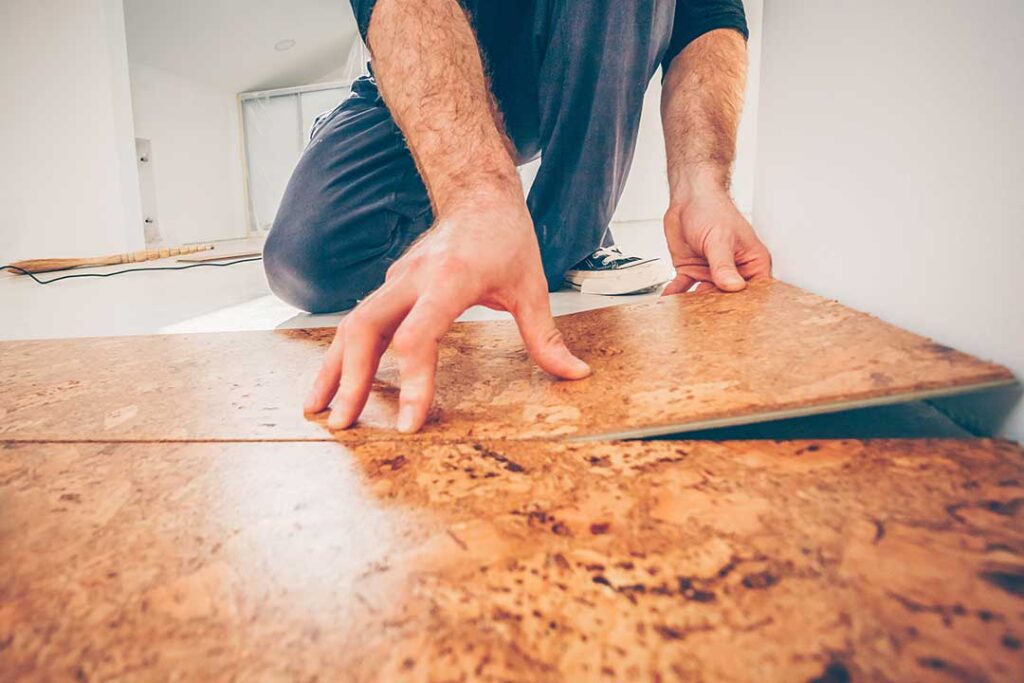
What Flooring Types Handle Heavy Use Best?
For high-traffic areas, durability depends on material strength, scratch resistance, and local climate compatibility. In Greeley, CO, wide temperature swings, dusty conditions, mud, and snow from changing seasons all play into flooring performance. The most reliable options tend to be luxury vinyl plank (LVP), porcelain tile, and site-finished hardwood with protective coatings.
Why These Floors Last
- Luxury vinyl plank is engineered for high abrasion and handles mud, snowmelt, and pet activity without swelling or warping. It's also relatively quiet underfoot and cleans easily.
- Porcelain tile is extremely hard, resists moisture, and won’t stain with slush or salt tracked in after a winter storm.
- Hardwood’s long lifespan and ability to be refinished stand out, but only in spaces where surface scratches or water exposure are controlled.
Many people believe “hard is always better,” but extra stiffness doesn’t guarantee real-world durability. Floors must both survive wear and maintain their appearance.
Are There Downsides to the Most Durable Flooring?
Every material brings trade-offs in looks, feel, and upkeep.
- LVP often lacks the authenticity of wood or tile, though newer versions look convincing.
- Porcelain tile can feel cold underfoot in winter, unless paired with radiant heating (not uncommon in new Greeley homes).
- Hardwood may dent or fade in sunlit entryways unless protected with UV coatings and good mats.
High-traffic durability sometimes means sacrificing warmth, sound absorption, or the cozy look of softer materials.
How Does Greeley’s Climate Affect Flooring Choices?
Greeley’s mix of cold winters, quick snowmelt, and dry, windy periods means household flooring faces puddles, dirt, and regular temperature changes.
- Floors that absorb moisture (like carpet or some laminates) are harder to maintain and prone to staining.
- Seasonal cracks in homes can expose subfloors to more shifting and moisture, so anything prone to swelling or shrinking—such as low-quality laminate or bamboo—is risky for entryways and kitchens.
- Salt and sand from sidewalks can scratch floors with soft finishes.
It’s common for area households to place highly durable floors at exterior doors or mudrooms, reserving more decorative or “softer” flooring for bedrooms.
What About Eco-Friendly Durable Flooring?
Many Greeley residents want both toughness and low environmental impact. Today’s market offers:
- Engineered hardwood made with certified, sustainable wood cores that resist warping
- Recycled-content porcelain tiles or local clay-based ceramics
- Some brands of LVP that use phthalate-free or low-VOC manufacturing, though vinyl itself is not biodegradable
Durable floors can be eco-friendly, but it’s smart to ask about manufacturing, adhesives, and warranties whenever evaluating options.
Which High-Traffic Areas Need Special Consideration?
Entryways, mudrooms, kitchens, and family rooms in Greeley homes experience the most foot traffic, and often weather-related messes.
Consider:
- Entryways—Materials here should combat moisture, mud, and grit. Porcelain tile and LVP excel, especially if paired with door mats.
- Kitchens—Spills, dropped pans, and moving chairs require scratch and moisture resistance. LVP handles kitchen chaos well, and sealed tile prevents grout stains.
- Living areas—If pets or kids are part of daily life, focus on scratch-resistant surfaces. Hardwood with a tough finish or rigid-core vinyl both perform well.
Regular sweeping and prompt cleaning prolong any floor’s life, but the right material makes lasting results much more likely.
Is Maintenance Different for Durable Floors?
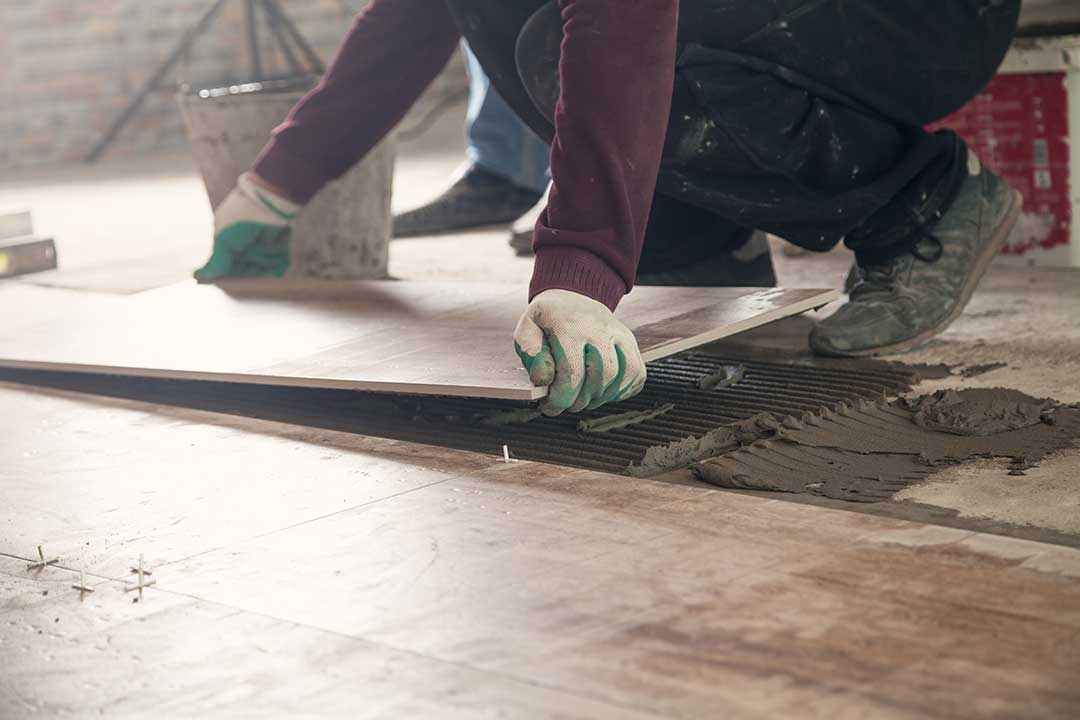
Even the hardest floors benefit from simple, consistent care. For Greeley, gritty dust and tracked-in salt are common enemies of finishes.
- Sweep or vacuum often, particularly in winter months or after high winds
- Place felt pads under furniture to reduce friction
- Use area rugs in walkways to intercept debris, but check rugs for non-slip backing that won’t damage your floor’s surface
- Avoid harsh detergents; most durable floors clean up with just a damp mop and mild cleansers
Skimping on routine care can scratch even the toughest materials or wear down protective coatings.
Are Some Durable Options Overlooked?
Few residents consider sealed concrete, which offers industrial-level resilience, a cool modern look, and strong protection against moisture. It’s less comfortable underfoot, but for garages, mudrooms, or laundry areas, sealed concrete holds up year-round.
Cork and linoleum, with correct sealing, can work in medium-traffic spaces, but aren’t recommended for constantly wet or grit-heavy areas.
What Should Households Avoid for High-Traffic?
- Unsealed hardwood and site-finished bamboo in entry zones—they scratch and warp
- Low-cost laminate floors (unless labeled as water-resistant or high wear)
- Basic carpet—prone to matting, staining, and frequent replacement
Popular choices like soft woods or standard laminates quickly reveal traffic patterns, especially in the city’s older homes or busy family spaces.
How Can Households Weigh Looks Versus Durability?
Choosing floor material in the city means balancing daily wear with style and comfort preferences.
Ask:
- Does the area routinely get dirt, snow, or water tracked in?
- Are there young children, frequent gatherings, or pets?
- Is warmth underfoot or sound reduction a top priority?
- How much time can realistically be devoted to cleaning and care?
Taking local lifestyle and maintenance habits into account ensures the most durable choice is also the one residents enjoy for years, not just the toughest on paper.