

 See My Latest Article on HelloNation
Why Soundproofing Matters for Homes in Greeley, CO
Soundproofing floors can make a noticeable difference in comfort, privacy, and peace—especially for homes with multiple levels or close neighbors. Greeley’s mix of single-family homes, rentals, and multi-story residences means noise from footsteps, music, or everyday activity often travels between floors or adjacent units. Reducing sound transmission can benefit residents looking for quiet bedrooms, home offices, or simply a calmer living environment.
What Types of Floor Noise Are Most Problematic?
In homes throughout the city, floor-based noise tends to fall into two categories:
- Impact noise: Footsteps, dropped items, and furniture movement create vibration that travels directly through floors and joists.
- Airborne noise: Sounds like conversation, music, or television, which travel through the air and penetrate floor assemblies.
Greeley’s dry climate doesn’t reduce noise, and homes with hardwood, laminate, or tile floors are particularly prone to amplifying footfalls. Carpeted areas generally absorb more sound.
What Are the Main Soundproofing Methods for Floors?
Several proven methods help control noise transfer through floors. The most effective solutions often involve a combination, tailored to the specific floor type and living situation.
Adding Mass or Density
Mass absorbs sound. Placing heavier, dense materials in or on your floors decreases the amount of noise passing through.
- *Installing carpeting with thick padding absorbs both impact and airborne sounds*.
- *Mass-loaded vinyl (MLV)* can be placed under new flooring or area rugs; it’s flexible but dense, making it well suited for blocking sound.
- *Underlayment pads*, available for laminate and engineered wood floors, help dampen vibrations.
Creating a Buffer with Floating Floors
A floating floor, which “floats” above a sound-absorbing underlayment without direct attachment to the subfloor, interrupts sound’s path. This is especially effective in homes with wood subfloors, which commonly transmit impact noise.
Floating floor systems can be installed over concrete slabs common in Greeley basements or ground-level slabs, using cushioned underlayment to minimize noise.
Addressing Gaps and Flanking Paths
Even the best soundproof floors lose effectiveness if gaps are left around the floor’s edge, at vents, or under doors. Sealing these spaces with acoustic caulk or weatherstripping can dramatically reduce sound travel—especially relevant in older homes where settling may have opened cracks around baseboards.
Which Floor Coverings Reduce Noise Most Effectively?
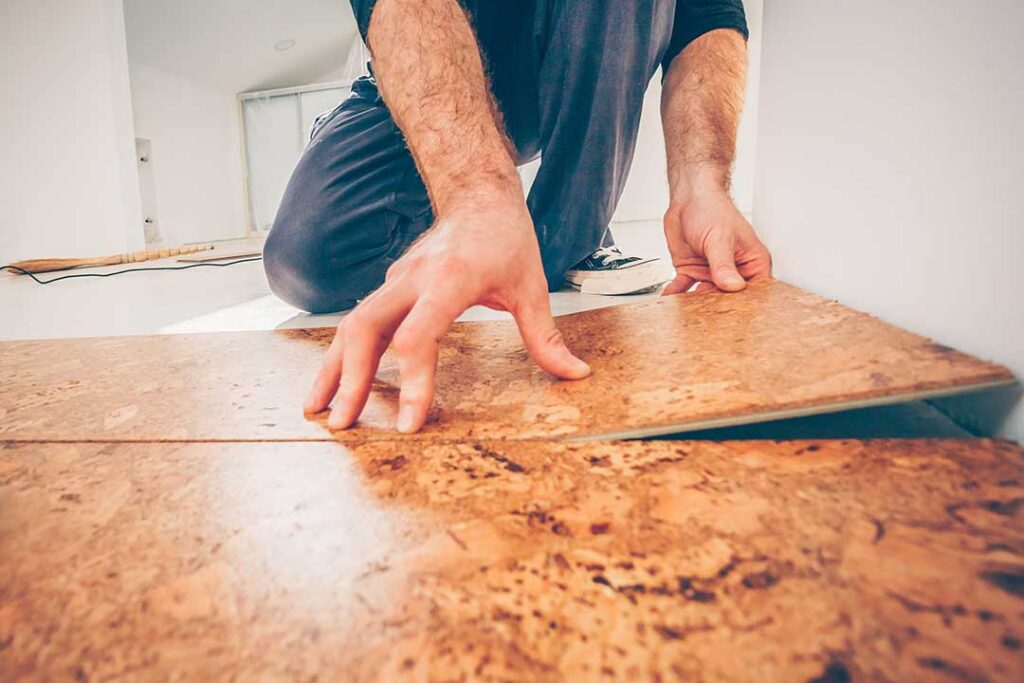
Carpet and cork are natural sound absorbers. Dense carpet—with a quality underpad—is the most effective at stopping impact noise. Cork flooring, which is moisture-resistant and suited to the dry Colorado climate, also dampens sound well.
Laminate, hardwood, and tile floors amplify noise unless paired with high-quality underlayments designed for sound control. For renters or those not planning major renovations, adding large, thick area rugs can cut down on echoes and footsteps.
Can Soundproofing Improve Energy Efficiency or Comfort?
Yes—some soundproofing techniques also insulate against temperature shifts. Adding dense underlayments or carpeting can help retain warmth in winter, which is especially welcome during Greeley’s coldest months. Sealing gaps stops drafts as well as noise, boosting comfort year-round.
What Mistakes Should Greeley Residents Avoid?
A common misconception is that any rug or “soundproof” product will solve noise issues. Thin rugs or basic underlayments offer limited benefit. Skipping edge sealing leaves an easy path for sound to leak. For residents in HOA communities or rentals, adding mass without permanent changes—like extra thick rugs and non-permanent underlays—avoids conflicts over flooring updates.
In moisture-prone areas such as basements, use products rated for damp conditions to prevent mold or odor issues that can arise from certain soundproofing materials trapped against concrete.
How to Decide Which Approach Fits Your Home
Identifying the main source and type of noise is the first step. In multi-story homes or duplexes, footsteps and dropped items are usually the issue, making impact noise reduction key. In attached housing or apartments, airborne noise may be more problematic.
Consider:
- Is the annoyance caused by footsteps above, voices from below, or both?
- Do you own or rent, and are you allowed to make structural changes?
- Is your floor over a heated room, an unheated basement, or a crawlspace? Each requires a different approach due to temperature, moisture, and access.
Are There Local Codes or Restrictions on Soundproofing?
Most soundproofing modifications are allowed in owner-occupied homes, provided they don’t affect structural elements or fire safety. In rentals or HOA properties, approval may be needed before installing new flooring or underlayment. Residents planning larger projects should check with building management or local authorities before altering surfaces or subfloors, to stay compliant with rules in the city.
What Are Simple Upgrades for Immediate Results?
For those not ready for a major remodel, several quick options offer improvement:
- Place thick rugs or runners in high-traffic walkways or above shared spaces.
- Use door sweeps or seals to close gaps where sound escapes.
- Add felt or rubber pads to furniture feet to reduce scraping noise.
These steps, especially when combined, provide noticeable relief with minimal investment or disruption.