

 See My Latest Article on HelloNation
What are the Main Differences Between Hardwood and Laminate Flooring?
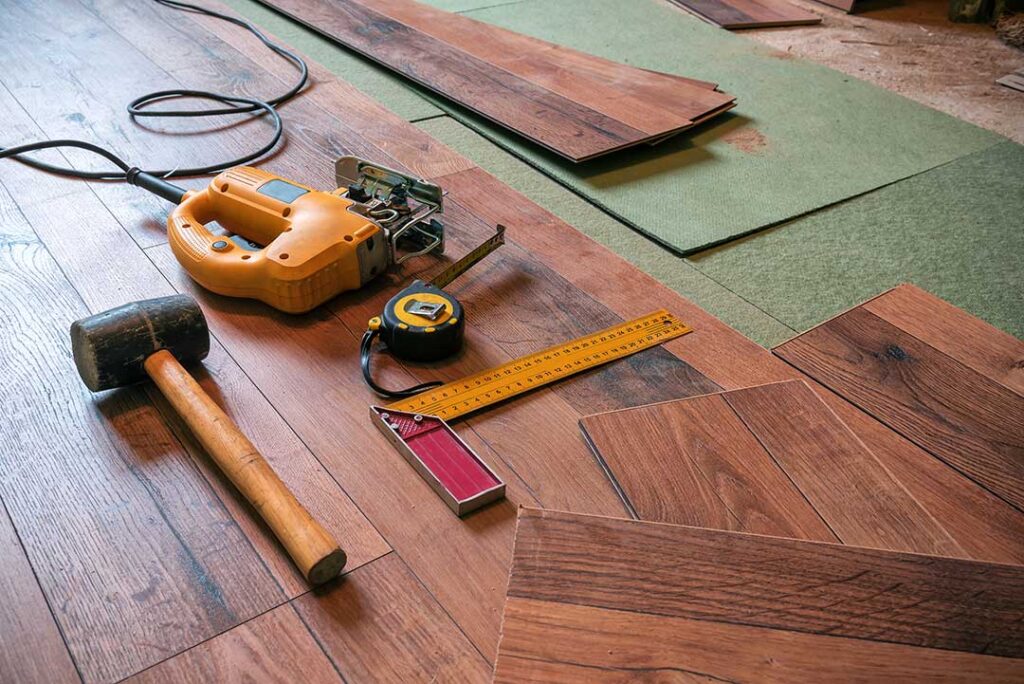
Hardwood flooring consists of solid planks made from real wood, while laminate flooring is constructed using a fiberboard core topped with a photographic image of wood and a clear protective layer. This difference in materials leads to distinct characteristics regarding appearance, durability, and maintenance, which can influence household decisions in Greeley, CO.
Hardwood floors are appreciated for their genuine wood grain, natural warmth, and ability to be sanded and refinished over time. In contrast, laminate provides a wood-like look with improved resistance to scratches and moisture, often at a lower cost. Understanding where each type excels helps residents select a fit for their household’s lifestyle and the variable climate.
Is Hardwood Flooring a Good Choice for Greeley’s Climate?
Hardwood flooring can perform well in Greeley residences, but local climate conditions must be considered. The area experiences wide temperature swings and periods of low humidity, especially in winter. Real wood naturally expands and contracts with changes in moisture, which may lead to gaps or warping if not managed properly.
Steps residents can take to support hardwood floors:
- Use a humidifier during dry winter months to stabilize indoor humidity
- Install wide plank floors with correct acclimation and spacing for movement
- Consider area rugs in high-traffic spots to limit wear and dryness
Hardwood offers longevity and classic appeal, particularly in homes where climate management is possible and regular seasonal care is manageable.
How Durable Are Laminate Floors Under Local Conditions?
Laminate flooring holds up well to everyday wear, which can be useful for households with active lifestyles, pets, or young children. The tough upper layer protects against surface scratches, spills, and dents, making it a practical option for high-traffic zones like hallways and entryways.
In Greeley, where snow and gravel may be tracked inside during winter, the scuff and moisture resistance of laminate is valuable. Laminate won't withstand pooled water or flooding, but light snowmelt and minor drips are less likely to cause damage compared to real wood.
Key considerations:
- Still requires mats at entrances to trap moisture and grit
- Damaged boards can’t be refinished—replacement is needed for significant flaws
- Cheaper varieties may sound hollow underfoot or feel less solid than real wood
For families and rental housing, laminate can deliver durability without significant upkeep.
How Does Cost Compare for Each Option?
Hardwood flooring typically comes with a higher initial investment. Costs reflect the value of the material, labor-intensive installation, and potential for multiple refinishes over decades. Laminate, on the other hand, is usually less expensive both for materials and installation.
Residents of Greeley often weigh:
- Hardwood as a long-term investment that may boost home appeal for resale, especially in older houses
- Laminate for affordability in renovations, basements, or rooms with fluctuating use
Hidden expenses to consider include subfloor repairs, underlayment, and removal of old flooring, all of which can affect the real difference in project cost.
What About Cleaning and Maintenance Needs?
Both hardwood and laminate benefit from regular sweeping or vacuuming to remove dust and grit, especially due to Greeley’s dusty conditions and periods of rapid snowmelt. However, the upkeep requirements diverge in important ways.
For hardwood:
- Avoid letting spills sit—moisture should be cleaned promptly
- Occasional refinishing can restore surfaces after years of wear
For laminate:
- Surface is easier to wipe clean with a damp mop and gentle cleaners
- Avoid excess water and never wet-mop; standing moisture can cause swelling at seams
Homes with pets or frequent outdoor activities may find laminate easier for day-to-day cleanup, whereas hardwood rewards routine care with the ability to greatly extend the floor’s appearance and lifespan.
How Do Appearance and Style Impact Local Choices?
Many residents admire the natural variation and time-earned patina of hardwood, which can complement both historic and modern homes in the city. Wood species, plank width, and finish all create unique looks, and no two boards are identical.
Laminate offers visual consistency and a range of patterns that mimic wood species, sometimes even stone or tile. While newer laminates can be convincing from a distance, they lack the depth and organic qualities of real wood up close. For residents seeking a flawless or easily updated look, laminate’s design versatility is an advantage.
Greeley homes with open layouts, lots of sunlight, or heavy use may have different style priorities—laminate handles UV exposure and heavy traffic without fading or scratching as quickly as softer woods.
Can You Install Either Type in Every Room?
Both hardwood and laminate need a stable subfloor and should not be installed above persistent moisture, such as in bathrooms or below-grade basements prone to water intrusion. Engineered hardwoods occasionally offer more flexibility in these situations.
In local homes, common room uses include:
- Hardwood for living rooms, bedrooms, and dining spaces where comfort and aesthetic are important
- Laminate for playrooms, mudrooms, and finished basements serving as rec areas or home gyms
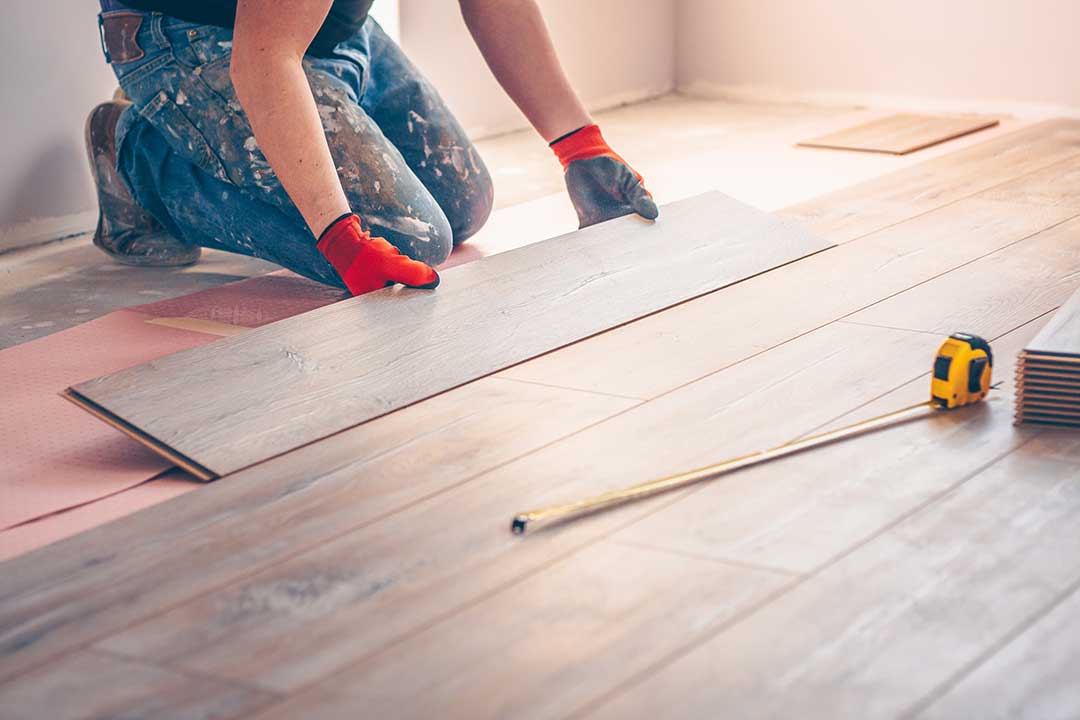
For households attracted to DIY projects, laminate is often easier to install thanks to click-and-lock floating systems, while hardwood generally requires professional scope for best results and warranty protection.
Are There Overlooked Factors for Local Residents?
Environmental concerns, noise transmission, and long-term adaptability are sometimes missed in initial comparisons:
- Hardwood can be refinished, adapting easily to changing décor or new buyers’ tastes
- Laminate offers hypoallergenic benefits in homes sensitive to dust and allergens
- Sound transfer is higher on laminate unless special underlayments are used, which matters in multi-level homes or attached units
Local building guidelines in Greeley support a range of material choices, but residents may want to check for HOA rules or special permit needs in historic districts before selecting high-impact changes.