

 See My Latest Article on HelloNation
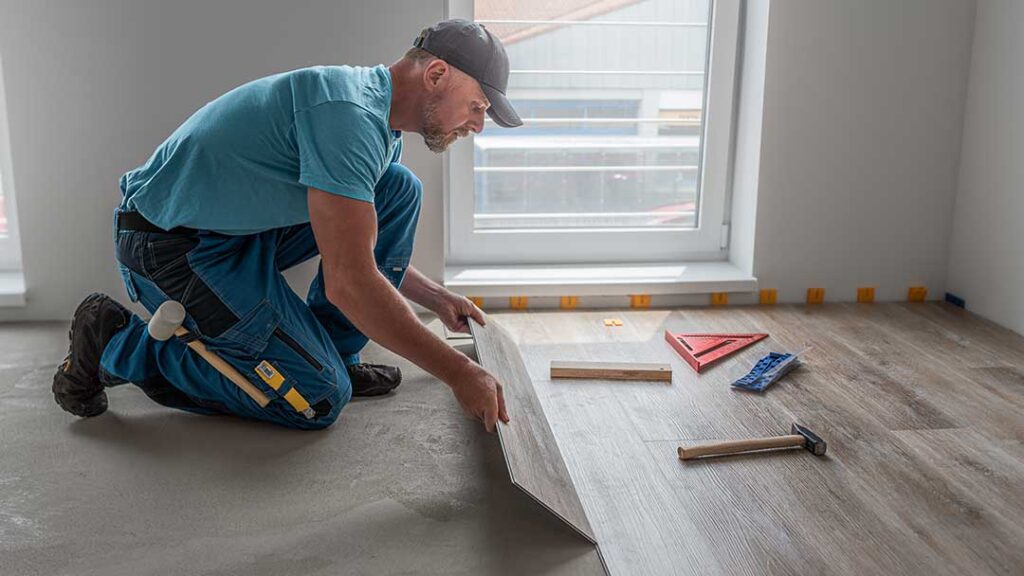
Heated floors can be worth the investment in Greeley, CO, especially in bathrooms, kitchens, entryways, and other rooms with hard flooring that feels cold during winter. They are not automatically the most economical way to heat an entire home, however. The value depends on the system type, installation cost, room size, insulation, flooring material, and how long the home is expected to be occupied.
What are heated floors?
Heated floors use warming elements installed beneath the finished flooring. The heat rises gradually from the floor surface, creating a more even room temperature than a typical forced-air register.
Two systems are common:
- Electric radiant heat: Cables, mesh, or heating mats warm when electricity passes through them.
- Hydronic radiant heat: Warm water circulates through tubing beneath the floor. A boiler or other water-heating source supplies the heat.
Electric systems are usually simpler for a single bathroom or a small renovation. Hydronic systems can make sense for larger areas or whole-home heating, but they involve more equipment, controls, tubing, and planning.
Are heated floors expensive to operate?
Operating cost depends more on the system and the building than on the fact that the heat is in the floor. A small electric floor in a bathroom may use relatively little energy because it warms only a limited area and can be controlled by a timer or thermostat. A large electrically heated floor operated continuously may cost considerably more.
Hydronic systems can be efficient when properly designed, particularly when connected to an efficient heat source and used throughout a well-insulated home. They may be less practical if the system must heat only a small room or if the home already has a reliable heating system.
Several factors affect monthly cost:
- Floor area being heated
- Insulation beneath the heating system
- Room insulation and air leakage
- Thermostat settings and operating schedule
- Electricity or fuel rates
- Whether the system provides supplemental warmth or primary heating
- How much heat is lost through windows, doors, walls, and ceilings
A heated floor should not be viewed as a guaranteed way to lower utility bills. Its main benefit is often comfort and control rather than direct energy savings.
Why can heated floors be useful in Greeley?
Winter conditions can make hard surfaces feel especially uncomfortable in rooms where people stand barefoot, such as bathrooms and kitchens. Dry air, cold mornings, and temperature swings also make consistent indoor comfort valuable.
Radiant flooring warms people and objects in the room directly rather than relying only on moving heated air. This can reduce the sensation of cold floors even when the thermostat setting remains moderate. The effect is most noticeable in smaller rooms with tile, stone, or other dense flooring.
The local housing mix also matters. A heated floor may be easier to add during a bathroom remodel, basement finishing project, or replacement of existing tile than as a separate project in an otherwise finished room. If flooring is already being removed, some of the labor involved in accessing the subfloor has already been accounted for.
Which flooring materials work best?
Tile and stone are generally the most compatible choices because they conduct and retain heat effectively. Ceramic tile, porcelain tile, and natural stone can provide a noticeable warming effect when the system is designed correctly.
Other flooring types may also be suitable, but they require more attention:
- Luxury vinyl: Some products are approved for radiant heat, but maximum temperature limits must be followed.
- Engineered wood: Often more stable than solid wood, though product instructions still matter.
- Solid wood: Can expand, contract, or develop gaps if exposed to excessive or uneven heat.
- Laminate: Compatibility varies by product and installation method.
- Carpet: May work with certain systems, but thick padding and dense carpet reduce heat transfer.
The flooring manufacturer’s instructions should be checked before installation. A floor covering can be technically compatible while still reducing the system’s performance enough to make the added cost less worthwhile.
Are heated floors safe?
Properly installed heated floors are generally safe, but they must be designed and installed according to electrical, building, and manufacturer requirements. Electric systems need appropriate circuit protection, sensors, wiring, and controls. Hydronic systems need pressure testing, properly supported tubing, and safeguards against leaks or excessive temperatures.
Furniture placement also deserves attention. Some systems should not be covered by thick, low-clearance furniture because trapped heat can build up beneath the object. Large rugs, mattresses, cabinets, and tightly enclosed storage may interfere with heat release.
Radiant floors are not a substitute for correcting electrical problems, water damage, inadequate insulation, or other building defects. Existing subfloor conditions should be evaluated before the heating layer is covered.
How long do heated floors take to warm up?
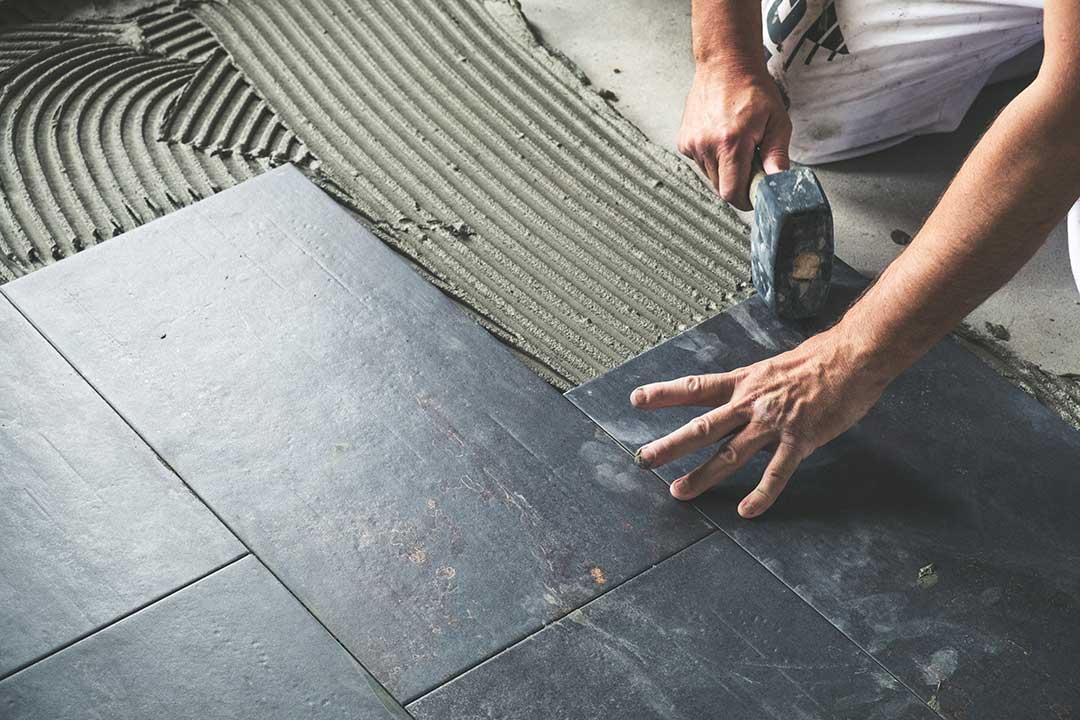
Radiant floors usually respond more slowly than forced-air heat. The flooring, underlayment, and subfloor must warm before the room feels noticeably different. Thick tile assemblies and concrete slabs can take longer but may hold warmth for an extended period.
This slower response is not necessarily a disadvantage. A programmable thermostat can start the system before the room is needed, and many households prefer maintaining a steady temperature rather than making frequent adjustments.
Electric mats installed directly below tile often respond faster than hydronic tubing embedded in a thick slab. The exact timing depends on the installation assembly, insulation, thermostat settings, and room conditions.
When are heated floors usually worth the cost?
Heated floors tend to offer the strongest value in these situations:
- A bathroom or entryway is already being remodeled
- Cold tile is a persistent comfort problem
- The room is small enough for controlled, limited-area heating
- The home has good insulation and limited air leakage
- The system will be used for many years
- Household members value warm floors enough to justify the installation cost
- The heating system can be repaired or replaced without removing the finished flooring
They may be harder to justify when a room has poor insulation, when the floor will soon be replaced, or when the system is expected to heat a large area at a high operating temperature. Installation beneath existing flooring can also be disruptive and costly if the floor must be removed solely to add heat.
What costs are easy to overlook?
The heating element is only part of the project. Other expenses may include removing and replacing flooring, preparing the subfloor, adding insulation, installing electrical controls, modifying trim or doors, and repairing adjacent surfaces.
A heating system can also raise the finished floor slightly. Even a small change may affect door clearances, transitions between rooms, cabinets, toilets, and built-in fixtures.
For hydronic systems, additional equipment and space may be needed for pumps, manifolds, controls, and the heat source. For electric systems, circuit capacity and electrical protection must be considered. Local code requirements may apply, particularly when electrical work, plumbing, structural changes, or wet areas are involved.
Can heated floors replace a furnace?
Sometimes, but not automatically. A properly designed hydronic system can serve as a home’s primary heat source, but the design must account for heat loss, insulation, window area, ceiling height, and the coldest expected conditions.
A small electric floor in a bathroom usually functions as supplemental comfort rather than whole-room heating. It may warm the floor effectively without producing enough heat to maintain the room’s temperature on its own.
Before treating radiant flooring as primary heat, the home’s heating demand should be calculated rather than estimated from floor area alone. Otherwise, the system may feel comfortable under mild conditions but struggle during the coldest periods.
What is the practical answer for area homeowners?
For many households, heated floors are most sensible as a targeted comfort upgrade rather than a whole-house luxury. A bathroom, mudroom, or kitchen with tile can benefit substantially from warm flooring, especially when installation is coordinated with planned flooring work.
The investment is less compelling when the goal is simply to reduce heating bills or solve broader comfort problems caused by drafts and poor insulation. In those cases, air sealing, insulation improvements, thermostat control, and equipment maintenance may deserve attention first.
The best decision comes from comparing the expected comfort benefit with the full installation cost, operating schedule, flooring compatibility, and length of time the home will be occupied.