

 See My Latest Article on HelloNation
Does Flooring Type Affect Indoor Allergies?
Yes, flooring choices play a significant role in how allergens build up and persist indoors. In Greeley, CO, allergy-sensitive households often wonder whether carpet or hardwood flooring will make a bigger difference for respiratory comfort. Each option has characteristics that impact dust, pollen, pet dander, and other common local triggers.
How Do Carpets Interact with Allergens?
Carpets tend to trap particles, but don’t always release them—unless disturbed. Soft fibers catch dust mites, pet hair, soil, and pollen tracked in from outdoors, which is especially relevant during the windy spring months and dusty autumn periods in Greeley.
- Vacuuming can remove some surface debris, but fine allergens settle deep in the fibers and pad.
- Steam-cleaning helps but isn’t always practical for busy households or rental situations.
- Wall-to-wall carpeting in bedrooms can be problematic for residents with asthma or sensitivities.
However, carpets also act as an air filter, capturing airborne particles that might otherwise continue to circulate. The drawback is that what’s captured needs to be thoroughly (and regularly) removed.
Are Hardwoods Really the Allergy-Friendly Choice?
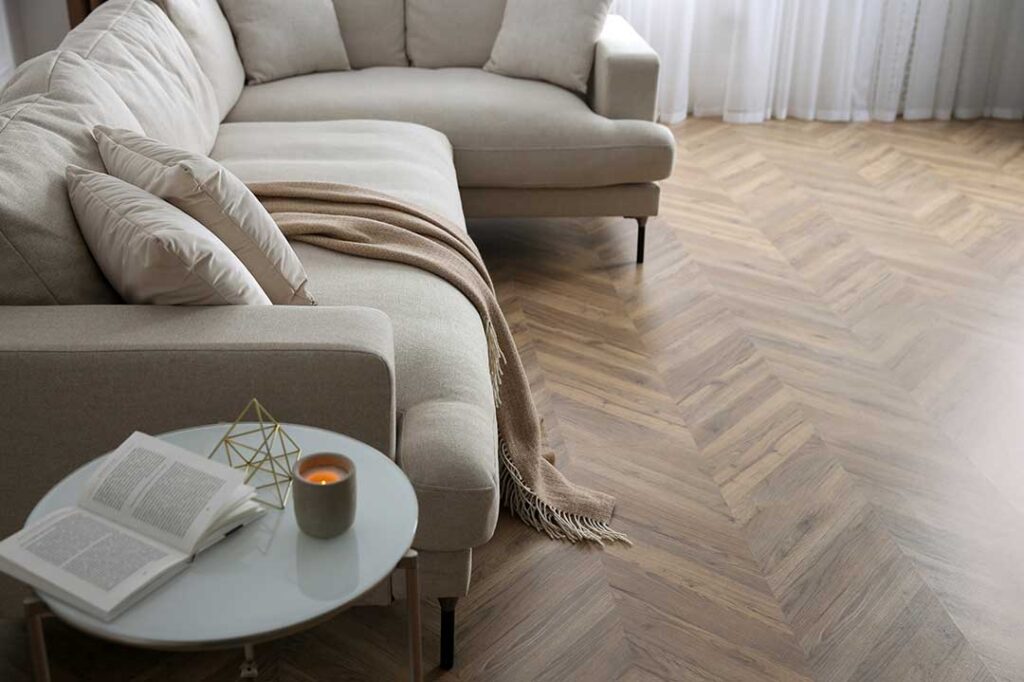
Hard surfaces like hardwood, engineered wood, and similar flooring options do not trap most common allergens. Dust, dander, and pollen are likely to remain on the surface, where they can be captured with frequent sweeping and damp mopping. For families with allergy issues, this makes allergens easier to control.
Here’s what to consider in homes across Greeley:
- Hardwood resists deep contamination compared to carpet.
- Regular cleaning with a microfiber mop or vacuum (with a hard floor setting) can quickly remove irritants.
- There’s less risk of old dust or pet dander accumulating undetected.
Yet, hard floors do not eliminate allergens entirely—they just make routine removal easier for most people.
What About Climate and Local Living Habits?
Greeley’s semi-arid climate influences the way dust and pollen affect interiors. Seasonal agriculture, wind, and periodic wildfires mean particulate levels can spike. Shoe traffic commonly brings outdoor particles inside, especially in homes with active lifestyles—pets, children, or gardening hobbies.
- Carpets hold up against cold winters and are cozy underfoot, but they can harbor allergens during dry, windy spells when windows are open.
- Hardwood floors may feel colder in winter and can be scratched by grit brought in from outside unless careful entryway habits are established.
Homes with powerful HVAC systems and good filtration do manage indoor air quality more consistently, regardless of flooring. However, unmanaged carpets in older or rental properties can invisibly store years of allergen buildup, a particular concern after tenant turnover.
Are Area Rugs and Runners a Good Compromise?
Many Greeley residents use area rugs over hardwood for warmth and comfort. Rugs are removable and can be washed or replaced, reducing the risk of allergen buildup. This approach:
- Allows for flexible cleaning (shaking out, laundering)
- Minimizes permanent dust reservoirs
- Provides warmth without constant airborne debris
If rugs are used, choosing low-pile and washable options can further limit allergen retention.
How Often Should Floors Be Cleaned to Keep Allergens Low?
Both carpets and hardwood floors benefit from regular attention, but frequency can affect allergy control more than flooring type alone.
- Carpets: Vacuum with a high-efficiency (HEPA) filter at least weekly; twice weekly for sensitive homes or high-traffic areas. Steam clean seasonally, especially after pollen events or dry spells.
- Hardwood: Dust-mop every few days, and wet-mop weekly. Damp cleaning is key, as allergic particles can become airborne if swept with a dry broom.
Pet owners and households near high-traffic roads or farmland may find increased cleaning is necessary during certain seasons.
Are There Flooring Myths That Local Residents Should Know About?
Some common misunderstandings can trip up households searching for allergy relief:
- Myth: "Hardwood floors solve allergies." In reality, they make cleaning easier, but airborne particles still enter from daily life.
- Myth: "Carpet always makes allergies worse." Clean, well-maintained carpet may not be problematic for everyone—especially with modern hypoallergenic materials. Neglect, however, quickly worsens the situation.
- Myth: "All cleaning methods are the same." HEPA filtration, damp mopping, and targeted routine cleanings are much more effective than standard vacuums or dry dusting alone, regardless of floor type.
What Special Factors Are Unique to Homes in Greeley?
Many local neighborhoods feature mixed flooring, older homes, and varying air circulation. Factors influencing allergy control here include:
- Seasonal windstorms often bring in more dust and pollen—choosing easily cleaned flooring matters during these times.
- Many houses have forced-air heat, which can recirculate dust from any surface into the air if filters aren’t changed and floors aren’t kept clean.
- Mudrooms and strong entry mat habits are particularly useful for preventing tracked-in allergens, especially where agricultural work is common.
Which Flooring Is Better for Greeley Residents with Allergies?
There isn’t a one-size-fits-all answer; effectiveness depends on cleaning routines, local environmental exposure, and household lifestyle. For households with severe sensitivities, smooth-surfaced floors generally support cleaner indoor air, provided cleaning is frequent and thorough. Carpets can work if they are carefully maintained and paired with modern vacuum technology.
Residents seeking to minimize allergens should match flooring to their routine cleaning preferences and consider how much outdoor material is likely to be tracked inside throughout Greeley’s distinct seasons.