

 See My Latest Article on HelloNation
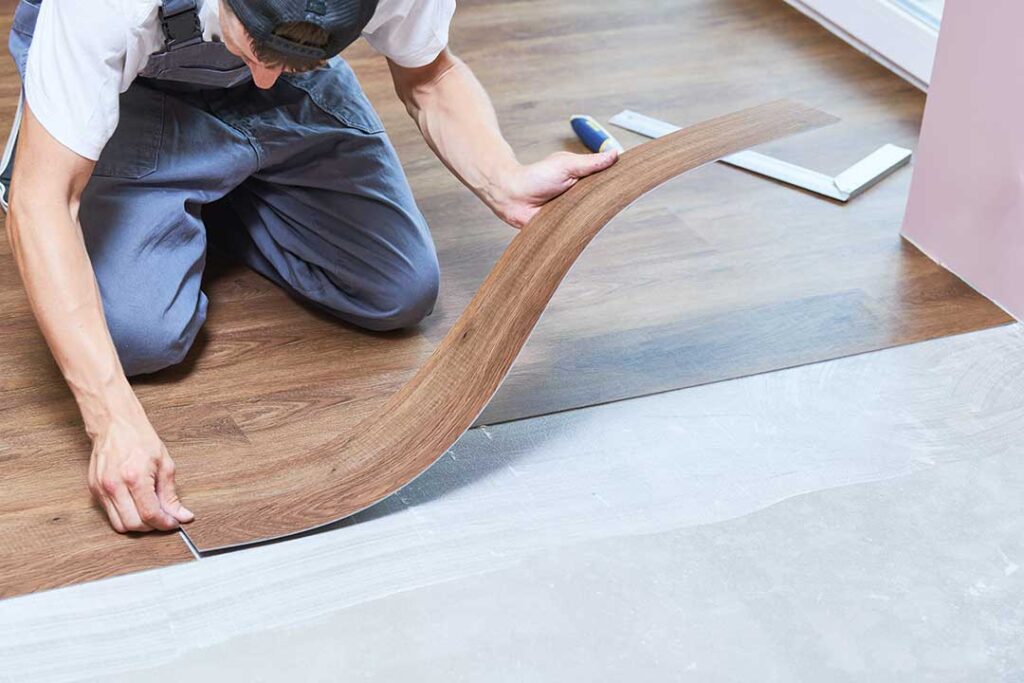
What Causes Scratches on Hardwood Floors?
Scratches on hardwood surfaces often happen from daily living: pet claws, shifting furniture, shoes with small rocks caught in the soles, or even grit brought in from outside. In Greeley, CO, fluctuating seasons and dust can add to these small scuffs, especially in entryways or high-traffic areas. While many scratches are just cosmetic, deeper marks may affect how the floor resists moisture or aging.
Can Minor Surface Scratches Be Fixed Easily?
Small, shallow scratches can usually be touched up at home using simple methods. For these light marks—which don’t break through the wood’s finish—gently clean the area with a soft, damp cloth to remove dust. After the surface dries, rub a walnut or a crayon closely matching the wood color over the scratch. The natural oils in the walnut or the wax in the crayon help mask the lines until the next cleaning. This method is especially helpful for locals during winter, when dry air makes scratches more visible on older floors.
For a more polished look, there are blending markers and repair kits specifically designed for wood touch-ups. Always spot test in an out-of-sight area first, as finishes can vary from one home to another.
How Should Homeowners Address Deeper Scratches?
If you can feel the scratch with a fingernail or if the mark penetrates into the wood, more effort is required. First, clear away any grit with a gentle vacuum or microfiber cloth to avoid grinding debris further into the floor.
- For medium-depth scratches: Apply a small amount of wood filler that matches your floor's color. Use a plastic putty knife to gently spread the filler only into the scratch. Let it dry, then lightly sand flush with a fine-grit sandpaper.
- For areas with a more noticeable finish loss: After filling and sanding, use a matching stain or finish pen to blend with the surrounding planks. Allow it to fully dry before walking on the patched area.
These steps work well in homes throughout the area where older hardwoods are common, especially in historic houses where refinishing an entire room may not be desirable.
When Should Recoating or Refinishing Be Considered?
When scratches are numerous or deep across a large section, more than a simple patch is needed. A new topcoat may be required if dull areas persist despite cleaning or if scratches spread through the finish layer. This involves gently sanding the surface, cleaning up thoroughly, and brushing on a fresh coat of polyurethane or water-based finish.
In Greeley, this scale of work benefits from careful timing. During humid periods in spring or just after irrigation season, allow extra drying time for finishes. Homes with forced air heating in winter should also be aware that low indoor humidity can impact how finishes cure.
Full sanding and refinishing is only necessary for floors with severe wear or deep gouges. This is a more involved project and, in some cases, may raise concerns about dust spreading in older or open-plan homes.
Are There Common Mistakes to Avoid When Repairing Scratches?
One frequent error is trying to “buff out” a scratch with abrasives like steel wool or rough sandpaper. This can damage the surrounding finish and result in a larger, lighter spot. Using tinted markers or filler that doesn’t closely match your floor can also draw attention to the repair rather than disguising it.
Another issue in the community is excess water use while cleaning, which can seep into scratches and cause warping, especially during wet spring months. Use only barely damp (not wet) cloths for cleaning hardwood.
Tips for Preventing Scratches on Local Hardwood Floors
Prevention helps maintain floor appearance longer between repairs. Helpful habits for area households include:
- Placing mats at entrances to catch grit and moisture
- Using felt pads under chair and table legs
- Asking visitors to remove shoes, especially after rain or snow
- Regularly sweeping up dust and debris brought in from the surrounding landscape
Paying extra attention to high-traffic routes—especially near doors, hallways, and family gathering spaces—can help limit the need for repeat repairs.
What About Pet Scratches or Seasonal Impacts?
Pets are beloved in many local homes but may accidentally scratch hardwood, particularly during dry winters when their nails are more likely to splinter older finishes. Keeping pet nails trimmed and providing runners or area rugs in their favorite spots helps limit new marks.
During seasonal transitions, especially as dry air sets in, run a humidifier to help wood floors retain flexibility and reduce visible cracking and scratching.
Can Scratched Hardwood Still Be Durable Over Time?
Most scratches are cosmetic and do not weaken a well-maintained hardwood floor. Regular touch-ups and occasional recoating, alongside mindful care, allow even decades-old flooring to stand up to Greeley’s unique climate and household patterns. Focusing on maintenance rather than wholesale replacement preserves both the value and character of original hardwood flooring found throughout the community.