

 See My Latest Article on HelloNation
Which flooring is better: luxury vinyl tile or traditional tile?
Luxury vinyl tile is usually more forgiving, warmer underfoot, and simpler to install, while traditional tile offers greater hardness, longer service life, and stronger resistance to heat and moisture. The better choice depends on the room, subfloor, household habits, and how much maintenance is acceptable.
“Luxury vinyl tile” commonly refers to resilient flooring designed to resemble stone, ceramic, or other hard surfaces. Traditional tile generally means ceramic or porcelain tile installed with mortar or thin-set over a properly prepared surface.
Both can work well in homes, but they behave very differently. Luxury vinyl has some flexibility, while traditional tile forms a rigid surface that depends heavily on a stable subfloor and correctly installed grout joints.
How do the materials differ?
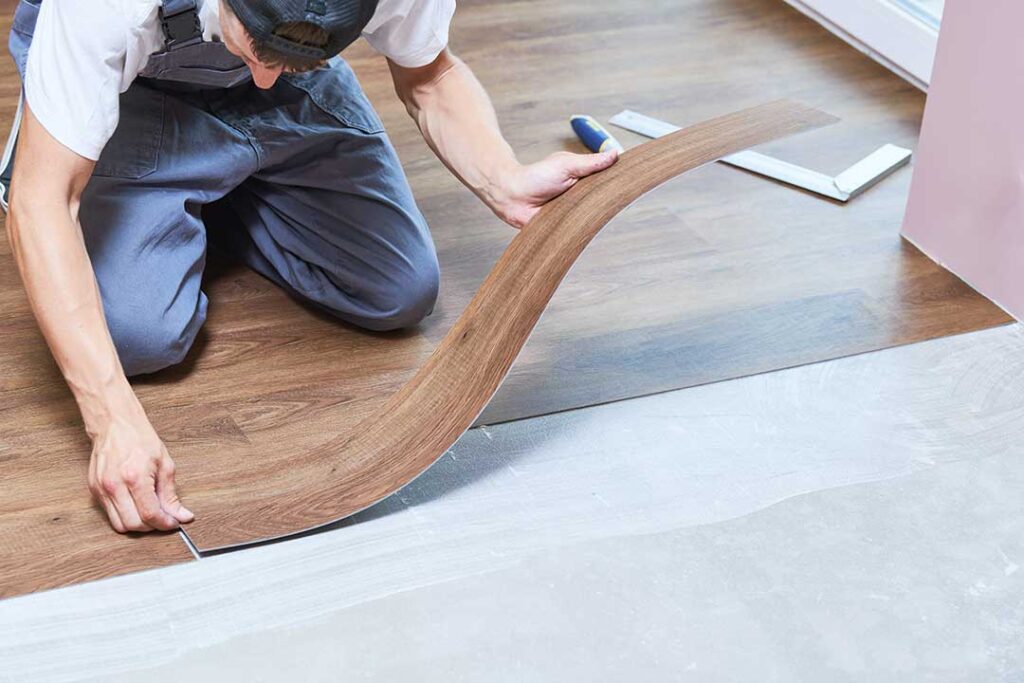
Luxury vinyl tile is made from several layered materials, including a wear layer, printed design layer, and resilient core. It may be installed as a floating floor or bonded directly to the subfloor, depending on the product.
Traditional tile is made from fired clay or other mineral materials. Ceramic tile is commonly used for walls and floors, while porcelain tile is denser and generally less absorbent. Tile is attached to the floor with setting material, and grout fills the joints between pieces.
The difference is more than appearance:
- Luxury vinyl has a small amount of give and is less likely to crack from minor movement.
- Traditional tile is rigid and can crack if the structure, subfloor, or installation system shifts.
- Vinyl surfaces are quieter and warmer than tile in many rooms.
- Tile handles high heat better and is less likely to be damaged by sharp objects or heavy furniture.
Which option is more water-resistant?
Both flooring types can be used in areas exposed to spills, but water resistance depends on the entire installation rather than the surface alone.
Luxury vinyl planks and tiles are generally resistant to surface water. A spill that remains on top of the flooring can often be wiped away without immediate damage. However, water may still reach the subfloor through seams, edges, transitions, or gaps around cabinets.
Traditional tile itself is not usually harmed by water, especially when porcelain is used. The grout and layers beneath the tile are more vulnerable. In wet rooms, the floor must be properly sloped, sealed, and waterproofed where necessary. Ordinary tile installation does not automatically create a waterproof floor.
For bathrooms, laundry rooms, and entryways, the key questions are:
- Can water reach the subfloor?
- Are transitions and perimeter edges sealed appropriately?
- Is the grout suitable for the room?
- Was the underlying surface prepared for moisture?
Which flooring is easier to clean?
Luxury vinyl is generally easier to maintain on a daily basis. Its relatively smooth surface does not have grout joints that collect dirt, and routine cleaning usually involves sweeping, vacuuming with a suitable setting, and damp mopping with an approved cleaner.
Traditional tile is also easy to clean across the tile surface, but grout requires additional attention. Light-colored grout can show soil, pet residue, and tracked-in grit more readily. In entry areas, winter moisture and deicing materials can leave residue that becomes noticeable in textured tile or porous grout.
Neither option should be cleaned with excessive water. Standing moisture can move through seams, grout, edges, or poorly sealed areas. Abrasive powders and harsh chemicals may also dull surfaces or weaken finishes.
Which flooring is more comfortable in daily use?
Luxury vinyl usually feels warmer and softer underfoot. That can be helpful in bedrooms, kitchens, hallways, and living areas where people stand or walk frequently. It also produces less sound from footsteps and dropped objects.
Traditional tile feels harder and cooler, although area rugs and radiant heating can change the experience. Tile may be appealing in sunny rooms because it can absorb and slowly release heat, but it can feel cold during winter mornings.
Households should also consider fall comfort. Tile offers little cushioning if someone slips or falls. Luxury vinyl is not soft flooring, but its resilient construction is generally less unforgiving than ceramic or porcelain.
Which material lasts longer?
Properly installed traditional tile can last for decades, and porcelain in particular can withstand heavy use. Its surface is highly resistant to scratching, fading, and heat. The weak points are often grout, cracked pieces, movement in the structure, or moisture problems beneath the installation.
Luxury vinyl can also last many years, but its service life depends greatly on the wear layer, product quality, installation, and household use. It can be scratched or gouged by sharp furniture feet, dragged appliances, pet claws, or abrasive debris. Unlike tile, damaged vinyl may not be repairable with a simple patch unless spare pieces are available.
A useful distinction is that tile often fails through cracking or grout deterioration, while vinyl more often shows wear, cuts, dents, or separation at seams and edges.
How does the local climate affect the choice?
Homes in Greeley, CO experience dry periods, seasonal temperature changes, winter cold, and occasional moisture tracked indoors. Those conditions make entryway design and subfloor protection especially relevant.
Grit carried in from outside can act like sandpaper under furniture and footwear. A durable entrance mat, frequent sweeping, and felt pads under furniture can help either flooring type last longer.
For tile, temperature change is usually not a problem inside a conditioned home when the installation is correctly designed. However, rigid tile requires attention to movement joints, subfloor stability, and transitions between different materials. Enclosed entryways are generally more predictable than unconditioned spaces that experience repeated freezing and thawing.
For luxury vinyl, indoor temperature and moisture conditions should be within the product’s installation requirements. Some floating floors need room to expand and contract, so tight installation against walls or fixed objects can cause buckling.
Which is better for kitchens and bathrooms?
Luxury vinyl is often practical for kitchens because it is comfortable, quiet, and easy to clean. It can also be useful in bathrooms when the product, seams, edges, and subfloor are handled appropriately.
Traditional tile is a strong choice where high heat, frequent moisture, or exceptional scratch resistance matters. It is common in bathrooms, mudrooms, and areas where long-term surface hardness is a priority.
The decision should account for more than water exposure. A bathroom with uneven floors, frequent temperature changes, or movement in the structure may require more preparation before rigid tile can be installed successfully.
Is tile always more valuable because it lasts longer?
Not necessarily. A flooring material’s value depends on its expected service life, installation cost, repairability, comfort, and suitability for the room.
Traditional tile may provide excellent long-term durability, but it can require more labor and subfloor preparation. Luxury vinyl may involve fewer installation complications and can be replaced more selectively if matching material is available.
A material that lasts longer on paper is not automatically the better choice if it is uncomfortable, difficult to maintain, or poorly matched to the room’s conditions.
What should be checked before choosing?
Before selecting either material, inspect the existing floor rather than focusing only on color or pattern. Important factors include:
- Whether the subfloor is flat, clean, dry, and structurally sound
- The height difference between the new floor and adjacent rooms
- Door clearance and appliance clearance
- Exposure to water, grit, pets, and heavy furniture
- Whether radiant heating is present or planned
- The availability of replacement pieces in the future
- The type of transitions needed at stairs, cabinets, and doorways
For most households, luxury vinyl is the more forgiving choice for comfort and straightforward maintenance. Traditional tile is often the stronger choice for maximum surface hardness, heat resistance, and long-term permanence. The best decision is the one that matches the room’s moisture exposure, subfloor condition, daily use, and maintenance expectations.