

 See My Latest Article on HelloNation
How often should carpets be professionally cleaned?
Most household carpets should be professionally cleaned every 12 to 18 months. Homes with children, pets, allergies, frequent visitors, or heavy foot traffic may benefit from cleaning every 6 to 12 months, while lightly used carpet may remain in good condition for closer to 18 to 24 months.
The right schedule depends less on the calendar than on how much soil, moisture, and wear the carpet receives. Regular vacuuming removes surface debris, but it cannot remove all the fine particles that settle below the carpet fibers or into the backing.
What factors affect the ideal cleaning schedule?
Household activity is usually the strongest factor. A carpeted room used every day will collect soil faster than a guest room that is rarely occupied.
Consider cleaning more often if the home includes:
- Children who spend time playing on the floor
- Dogs or cats that shed, track in soil, or have occasional accidents
- Residents with allergies, asthma, or sensitivity to dust
- Entryways, hallways, stairs, and family rooms with constant foot traffic
- Frequent indoor gatherings
- Carpet near exterior doors
- Residents who regularly wear shoes indoors
Area households may also notice seasonal changes. Dry, dusty conditions can increase the amount of fine grit brought inside, while snow, slush, and damp soil can introduce moisture and residue during colder months. Without consistent mat use and vacuuming, these materials can work into carpet fibers and contribute to faster wear.
Is annual carpet cleaning enough?
For many homes, annual cleaning is a reasonable starting point. A once-a-year service can help remove accumulated soil before it becomes deeply embedded and abrasive.
However, annual cleaning may not be enough for high-use areas. A home with several pets and active children may need cleaning twice a year, particularly in rooms where people spend much of their time. In contrast, a carpeted bedroom used mainly at night may not need the same schedule as a busy living area.
A practical approach is to set a yearly baseline and adjust it based on visible soil, odors, traffic patterns, and how quickly the carpet begins to look dull after vacuuming.
How can residents tell that carpet needs cleaning?
Visible stains are only one sign. Carpet may need professional cleaning even when it appears reasonably clean.
Common indicators include:
- Dark lanes along hallways, stairs, or furniture paths
- A gray or dull appearance in high-traffic areas
- Odors that return after ordinary vacuuming
- Fibers that feel sticky, stiff, or matted
- Dust or debris appearing soon after vacuuming
- Increased sneezing or irritation indoors
- Stains that reappear after seeming to disappear
- Noticeable differences between covered and uncovered areas
A carpet that looks clean from a standing position may still contain fine grit near the base of the fibers. This grit can act like sandpaper as people walk over it, gradually damaging the carpet and making traffic lanes more permanent.
Does frequent vacuuming replace professional cleaning?
No. Frequent vacuuming is essential, but it does not replace periodic deep cleaning.
Vacuuming is most effective at removing loose particles from the upper part of the carpet. It generally cannot extract all embedded soil, oily residue, fine dust, or material trapped below the visible surface. Professional equipment is designed to rinse or extract more deeply than ordinary household machines.
Vacuuming still has a major effect on how often cleaning is needed. Most carpeted areas benefit from vacuuming at least once or twice a week. Entryways, hallways, and rooms used by pets may require more frequent attention. Slow, overlapping passes usually remove more soil than quickly moving the vacuum across the floor.
Using walk-off mats at entrances and removing outdoor shoes can also reduce the amount of grit carried onto carpet.
Can professional cleaning damage carpet?
Professional cleaning does not normally damage properly installed carpet when the method, moisture level, and drying process are appropriate for the carpet type. Problems are more likely when carpet becomes excessively wet, remains damp for too long, or is treated with unsuitable products.
Risk can increase with:
- Over-wetting
- Inadequate extraction
- Strong household chemicals
- Aggressive scrubbing
- Improper treatment of natural fibers
- Furniture placed on damp carpet
- Poor ventilation during drying
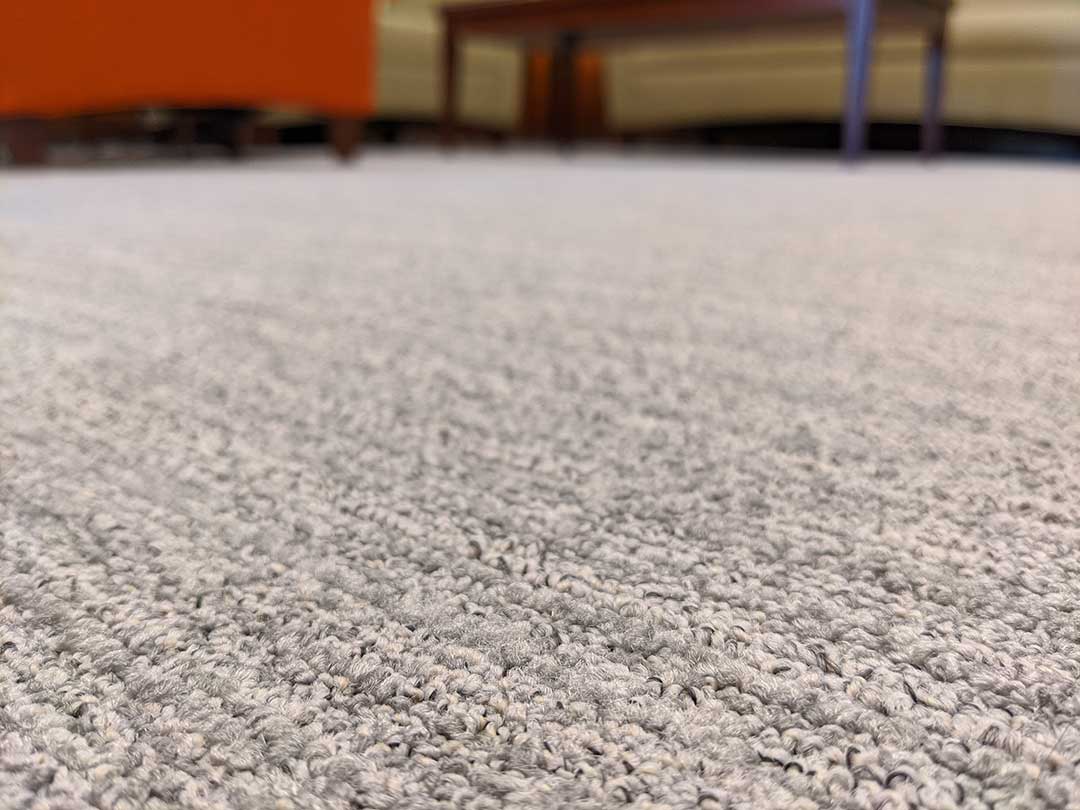
Carpet should dry as quickly as reasonably possible after cleaning. Good airflow, moderate indoor humidity, and limited foot traffic during the drying period can help. If carpet remains damp for an extended time, it may develop a musty odor and create conditions that support microbial growth.
How should stains be handled between cleanings?
Fresh spills should be addressed promptly, but rubbing is usually a mistake. Scrubbing can spread the stain, roughen the fibers, and push the material deeper into the carpet.
A safer general method is:
- Blot the spill with a clean, absorbent cloth.
- Work from the outside of the spot toward the center.
- Use small amounts of water rather than saturating the carpet.
- Avoid mixing multiple cleaning products.
- Test any product on an inconspicuous area first.
- Blot again until the area is as dry as possible.
Some stains, including old pet accidents, dye-based spills, rust, and oily substances, may require specialized treatment. Repeatedly applying household cleaners can make later treatment more difficult or leave behind residue that attracts soil.
Should carpet be cleaned before selling or moving into a home?
Cleaning before moving into a home is often useful because it addresses accumulated soil before furniture and belongings cover the floor. It can also remove residues left by previous occupants, although cleaning should not be treated as a guarantee that every odor, allergen, or stain will disappear.
Before selling or renting a property, carpet cleaning may improve appearance, especially where traffic lanes or spots are visible. It cannot correct worn fibers, permanent discoloration, delamination, burns, or carpet that has lost its texture.
The condition of the carpet matters more than the cleaning date. A relatively clean carpet with severe wear may need replacement, while older carpet with sound fibers may respond well to thorough cleaning.
How often should rental properties or high-traffic homes be cleaned?
Rental properties and heavily occupied homes often need cleaning between occupants, particularly when carpeted rooms show visible traffic or odors. High-traffic homes may need cleaning every 6 to 12 months, depending on pets, occupants, entry conditions, and the amount of soil tracked indoors.
A written record of cleaning dates can help property owners and residents distinguish normal wear from problems caused by spills, moisture, or neglected maintenance. Any rental-related requirements should be based on the applicable lease and local rules rather than on a general carpet-care guideline.
A practical schedule for most households
A useful starting schedule is:
- Every 6 to 12 months: Homes with pets, children, allergies, or heavy traffic
- Every 12 months: Average households with regular vacuuming
- Every 12 to 18 months: Moderately used carpet in a relatively clean home
- Every 18 to 24 months: Lightly used rooms with little traffic
- As soon as needed: After flooding, sewage exposure, significant pet accidents, or other hazardous contamination
For most residents, the best plan is to vacuum consistently, manage spills quickly, use mats at exterior doors, and arrange deeper cleaning before soil becomes heavily embedded. Carpet that is cleaned according to its actual use—not simply by a fixed calendar—will generally look better and experience less avoidable wear.