

 See My Latest Article on HelloNation
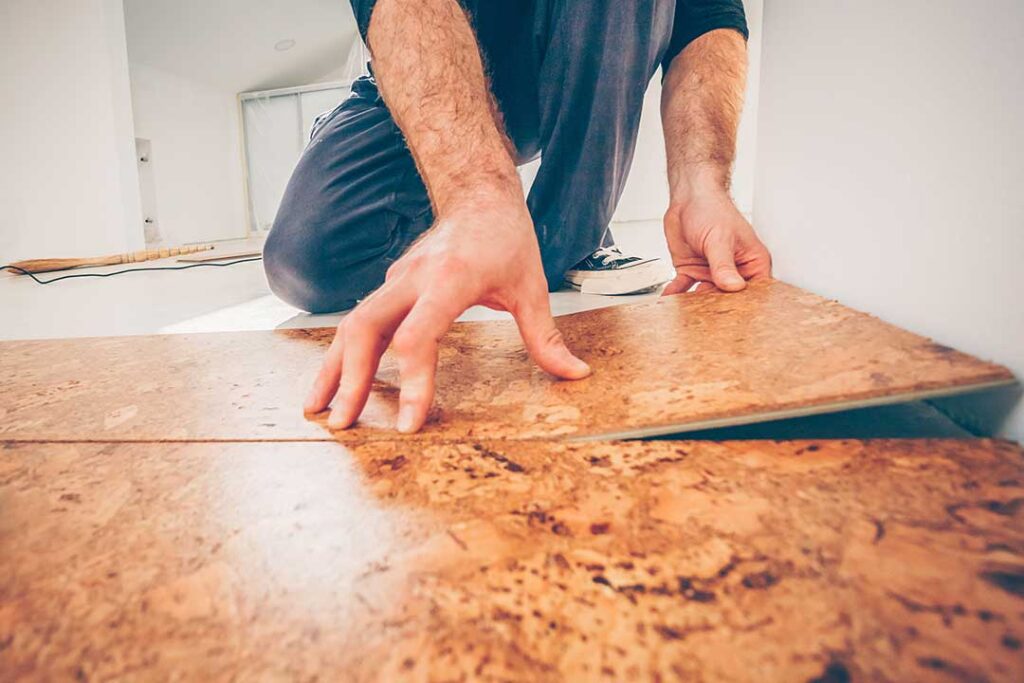
What is cork flooring?
Cork flooring is made from the bark of cork oak trees. The bark is carefully removed without cutting down the tree, then processed into flooring tiles or planks. A protective finish is added to help the surface resist everyday wear, moisture, and staining.
For households in Greeley, CO, cork can be appealing because it feels warmer and softer than many hard flooring materials. It is often considered for bedrooms, home offices, living areas, playrooms, and other spaces where comfort underfoot matters.
Cork flooring is not the same as soft carpet or rubber flooring. It provides some cushioning, but it still has the appearance and basic maintenance characteristics of a hard-surface floor.
Why does cork flooring feel comfortable underfoot?
The cellular structure of cork contains millions of small air pockets. These pockets give the material a degree of natural flexibility and insulation.
That structure can make cork more comfortable for standing, walking, and sitting on the floor. It also reduces the hard, cold sensation associated with ceramic tile, stone, or some types of concrete.
Cork may be useful in rooms where people spend extended periods standing, such as:
- Kitchens
- Craft rooms
- Home offices
- Laundry areas
- Children’s play spaces
The cushioning is helpful, but it does not eliminate the need for supportive footwear or an anti-fatigue mat for people who stand for long periods.
Does cork flooring help with temperature and sound?
Cork provides modest thermal and acoustic insulation. It does not replace wall insulation or a dedicated soundproofing system, but it can make a room feel less harsh and echo-prone.
The material helps reduce the transfer of minor impact sounds, such as footsteps, dropped toys, or moving lightweight furniture. It can also feel less chilly during dry winter weather than tile or other dense surfaces.
This characteristic can be useful in homes with open layouts or rooms above finished living spaces. However, the underlayment, subfloor, installation method, and room construction all affect sound performance. Cork alone cannot prevent all noise from traveling between floors or rooms.
Is cork flooring durable enough for everyday use?
Cork can be durable in residential settings when it is installed correctly and maintained consistently. Its resilience allows it to recover from some minor impressions caused by furniture or foot traffic.
Durability depends on several factors:
- The thickness and construction of the flooring
- The quality and condition of the protective finish
- The flatness and stability of the subfloor
- The amount of moisture in the room
- The type of furniture and household traffic
- Whether grit is regularly removed
Cork may show dents, scratches, or surface wear if heavy furniture is dragged across it or if sharp debris remains underfoot. Felt pads, rugs in high-traffic areas, and routine sweeping can reduce unnecessary damage.
Unlike many stone or ceramic surfaces, cork can sometimes be refreshed with a new protective coating. The options depend on the product and finish, so maintenance instructions should be followed carefully.
How does cork handle pets, children, and active households?
Cork can work well in homes with children and pets, but it is not indestructible. Its softer surface is gentler on dropped objects and may be more comfortable for crawling, playing, or sitting.
Pet claws can scratch the finish, especially if the floor is not swept regularly. Water from bowls, muddy paws, and accidents should be cleaned promptly. A durable finish and protective mat beneath food and water dishes can help limit damage.
Families should also understand that cork may develop visual changes over time. Sunlight can alter its color, and areas covered by rugs or furniture may age differently from exposed sections. Rotating rugs and using window coverings can help create a more even appearance.
Is cork flooring suitable for Greeley’s dry climate?
The dry conditions common in Greeley can affect wood-based and plant-based flooring materials. Cork may perform well in a dry home, but maintaining reasonably stable indoor humidity is helpful.
Very low humidity can contribute to small gaps or changes in flooring dimensions. Excessive moisture can cause swelling, edge damage, or problems with adhesives and subfloor materials. Seasonal heating can make indoor air especially dry, while spills, wet footwear, and plumbing issues introduce localized moisture.
Before installation, the flooring should be allowed to adjust to the indoor environment according to the manufacturer’s instructions. The subfloor should be dry, clean, and level. Installing cork over a damp or uneven base can lead to problems that are not caused by the cork itself.

Bathrooms, laundry rooms, basements, and entryways require particular care. Waterproof flooring may be more appropriate in areas where standing water or repeated wet exposure is likely.
Is cork flooring environmentally responsible?
Cork has several environmental advantages. Cork oak trees remain alive after their bark is harvested, and the bark can grow back over time. Cork products may also use less material by weight than dense mineral flooring.
Environmental performance varies, however. Adhesives, binders, finishes, shipping, packaging, and manufacturing methods all influence the overall impact. A flooring material should not be judged solely by whether it comes from a renewable source.
People concerned about indoor air quality can look for products with low-emission characteristics and carefully review installation materials. The flooring finish is particularly relevant because it affects odors, curing time, stain resistance, and maintenance requirements.
What maintenance does cork flooring require?
Cork flooring is relatively straightforward to maintain. The most useful routine is frequent dry cleaning to remove grit before it can scratch the finish.
Basic care usually includes:
- Sweeping or vacuuming with a suitable hard-floor setting
- Wiping spills soon after they occur
- Using only cleaning products approved for the flooring finish
- Placing mats near exterior doors
- Adding felt protectors to furniture legs
- Avoiding excessive water during cleaning
- Keeping high-moisture areas well ventilated
A steam mop is generally not a safe default for cork flooring because heat and moisture can affect the finish, seams, or adhesive. Furniture should be lifted rather than dragged, and rolling chairs may need a protective floor mat.
What are the main drawbacks of cork flooring?
The benefits of cork are balanced by several limitations. It is softer than many hard flooring materials, so it can dent or scratch more easily. It may also require more careful moisture management than porcelain tile or some resilient flooring products.
Cork can fade or change color with prolonged sunlight exposure. Some people also dislike the variation in pattern, while others choose cork specifically for its natural appearance.
Installation quality matters. Seams, transitions, adhesive selection, and subfloor preparation can affect both appearance and performance. A poorly prepared subfloor may telegraph imperfections through the finished surface.
Cork is usually most suitable for rooms where comfort, warmth, and moderate everyday traffic are priorities. It may be less suitable for areas exposed to frequent standing water, heavy commercial-style wear, or rough use.
Is cork flooring a good choice for a home?
Cork flooring is a practical option for residents who want a warmer, quieter, and slightly cushioned surface without installing carpet. It can be especially useful in living spaces, bedrooms, offices, kitchens, and play areas where people value comfort underfoot.
The best choice depends on the room’s moisture exposure, sunlight, traffic, subfloor condition, and maintenance habits. In a dry climate, stable indoor conditions and prompt spill cleanup are especially helpful. Cork is not maintenance-free, but its comfort, renewable material source, and sound-reducing qualities make it worth considering for the right part of a home.