

 See My Latest Article on HelloNation
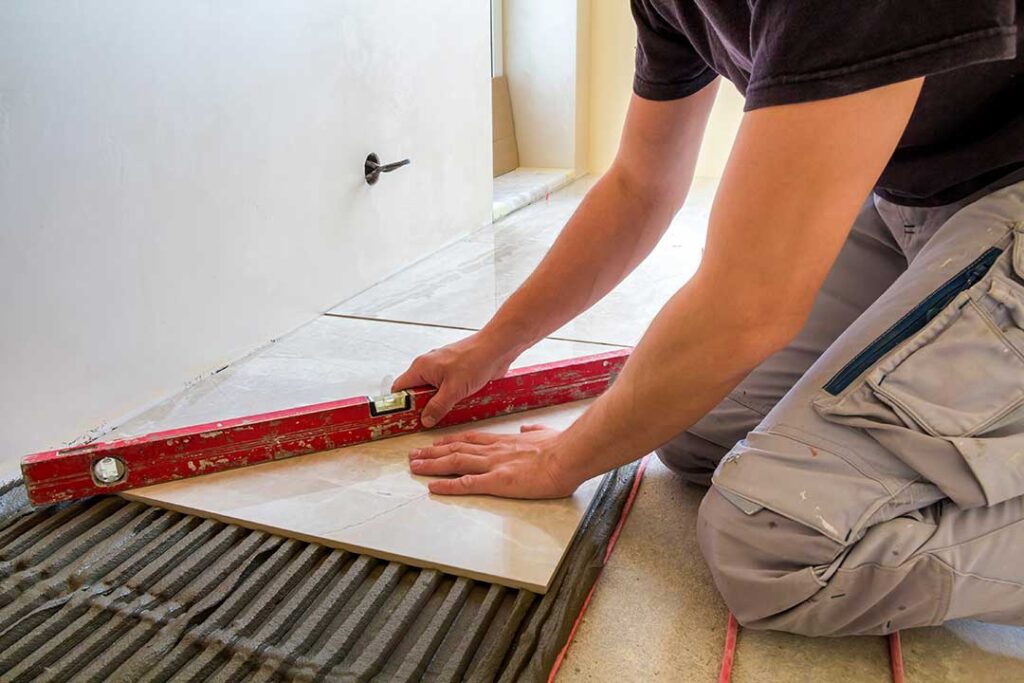
Bathrooms place unusual demands on flooring. The surface must tolerate standing water, humidity, cleaning products, temperature changes, and frequent foot traffic while remaining comfortable and reasonably slip-resistant. For most households, porcelain tile, ceramic tile, luxury vinyl flooring, and sheet vinyl are the strongest choices.
The right option depends on how much water the room sees, whether the bathroom is used by children or older adults, the condition of the subfloor, and how much maintenance the household is willing to handle.
What flooring is best for a bathroom?
Porcelain tile is often the most durable bathroom flooring choice, while luxury vinyl and sheet vinyl usually offer easier installation, warmer underfoot comfort, and simpler maintenance. Ceramic tile can also perform well when properly installed and maintained.
A practical comparison looks like this:
- Porcelain tile: Highly water-resistant, durable, and available in many textures and appearances.
- Ceramic tile: Suitable for many bathrooms, although it is generally somewhat softer and more absorbent than porcelain.
- Luxury vinyl flooring: Comfortable, relatively quiet, and resistant to everyday moisture when seams and edges are installed correctly.
- Sheet vinyl: Provides a nearly continuous surface with few seams, making it useful where water resistance is a top concern.
- Natural stone: Attractive and durable but often more demanding because it may require sealing and can become slippery when polished.
- Laminate: Usually a less reliable bathroom choice because water can penetrate joints and damage the core material.
No flooring is completely waterproof if water reaches the subfloor, walls, cabinets, or unprotected edges. Installation details matter as much as the surface material.
Is porcelain or ceramic tile better for a bathroom?
Porcelain is usually the better choice for areas that experience frequent moisture, heavy use, or tracked-in grit. It is denser than standard ceramic tile and absorbs less water. That makes it well suited to bathroom floors, especially in homes where wet towels, splashes, or damp footwear are common.
Ceramic tile can still be a sensible option. It is often easier to cut and may offer a wider range of decorative styles. The key is choosing a floor-rated product with a surface that provides adequate traction.
Tile is especially useful for homeowners who want a long service life and do not mind firmer flooring underfoot. However, grout lines require routine cleaning, and tile can feel cold during winter. In Greeley, where cold seasonal temperatures can make hard surfaces uncomfortable, an area rug designed for bathroom use or a properly installed warming system may improve comfort.
Is luxury vinyl flooring a good choice for bathrooms?
Luxury vinyl can be a strong bathroom option because it is softer and warmer than tile, resists routine splashes, and is easier to stand on for longer periods. Its layered construction can also reduce noise compared with ceramic or porcelain.
Water resistance depends on the product and installation method. Plank and tile-style vinyl often have many seams, so water should not be allowed to sit on the floor for long periods. Edges around toilets, tubs, showers, and vanities need careful fitting and sealing where appropriate.
Luxury vinyl is most suitable for bathrooms with normal household moisture rather than rooms that regularly flood. It should not be treated as a substitute for waterproofing beneath a shower or tub. If the subfloor is uneven, rigid vinyl may show imperfections or develop movement, so the base must be clean, dry, and properly prepared.
Why is sheet vinyl still worth considering?
Sheet vinyl remains practical because it can cover a bathroom with very few seams. Fewer seams mean fewer places for water to reach the subfloor. This can be helpful in small bathrooms, laundry-bath combinations, or homes where easy cleaning is a priority.
Its main limitations are appearance preferences, possible damage from sharp objects, and the need for careful installation around fixtures. If water gets underneath through an unsealed edge or damaged area, the flooring may hide moisture problems rather than solve them.
Sheet vinyl is often a reasonable choice for households seeking a resilient, low-maintenance surface without the firmness and grout maintenance associated with tile.
Which bathroom flooring is safest when the floor gets wet?
A floor with a textured or matte surface is generally safer than a highly polished floor when wet. Small tile can also provide more grout lines and visual definition, although grout alone does not guarantee slip resistance.
Look for flooring described as suitable for wet areas and evaluate its traction characteristics rather than choosing solely by color or appearance. Very smooth stone, glossy tile, and polished finishes can become hazardous after bathing or mopping.
Safety also depends on the room itself. Bath mats should have secure backing, towels should not be left where they create trip hazards, and leaks should be addressed promptly. Households with young children, mobility concerns, or aging residents may prefer a warmer, less rigid surface with a lower risk of slipping.
What flooring should be avoided in a bathroom?
Carpet is generally unsuitable because it absorbs moisture, dries slowly, and can retain odors or support mold growth if repeatedly damp.
Traditional solid hardwood can also be difficult to protect in a bathroom. Changes in humidity may cause boards to expand, contract, cup, or develop gaps. Engineered wood may perform better in some applications, but it still requires careful moisture management and is not the simplest option for a frequently wet room.
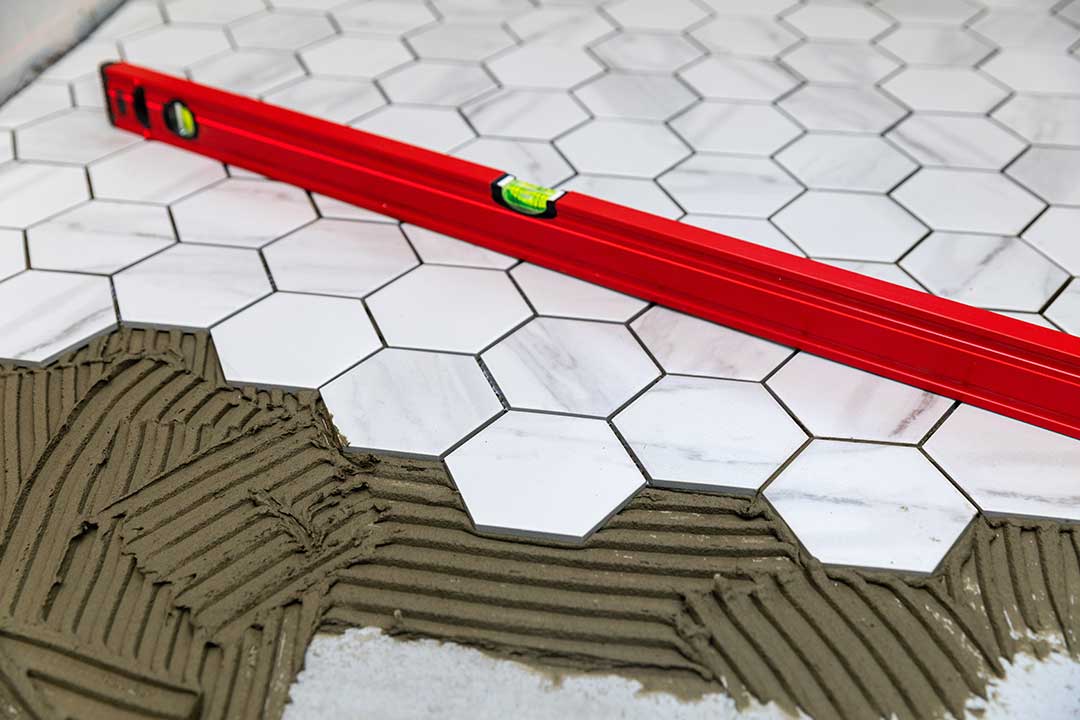
Laminate flooring is another common source of confusion. Some products are marketed as water-resistant, but that does not always mean they can withstand standing water or moisture entering between planks. A bathroom with poor ventilation, frequent spills, or a history of leaks may expose laminate to more risk than it can handle.
How does Greeley’s climate affect bathroom flooring?
Seasonal dryness, winter cold, and tracked-in moisture can all influence bathroom flooring choices in Greeley. Snow, ice, and deicing residue brought indoors on footwear can leave moisture and grit near entry areas. Even though bathrooms are not exterior entryways, nearby floors may experience more dampness during winter.
Indoor humidity also changes throughout the year. Good ventilation helps remove moisture after showers and reduces stress on flooring, trim, cabinets, and paint. A bathroom fan should vent outdoors rather than into an attic or enclosed building cavity.
Cold floors are another practical consideration. Tile is durable but can feel uncomfortable during winter mornings. Vinyl generally feels less cold and may be preferable in bathrooms used frequently by children or anyone sensitive to hard, chilly surfaces.
What installation details matter most?
A water-resistant floor can still fail if the subfloor is damaged or the edges are poorly finished. Before installation, the surface beneath the flooring should be checked for swelling, soft spots, staining, movement, or odors that suggest previous moisture damage.
Important details include:
- Keeping the subfloor level, clean, and dry.
- Leaving appropriate clearances around toilets and other fixtures.
- Protecting seams and transitions from routine splashing.
- Using suitable underlayment or setting materials for the flooring type.
- Maintaining a flexible seal where flooring meets tubs, showers, and other wet fixtures.
- Replacing damaged caulk before moisture reaches the structure below.
A toilet leak can damage flooring gradually, even when the surface appears intact. Soft flooring, recurring stains, or a musty smell should be treated as signs to investigate the area beneath the finish.
How should bathroom flooring be maintained?
Most bathroom flooring lasts longer when spills are wiped up promptly and ventilation is used during and after showers. Avoid flooding the floor during cleaning, and follow the flooring manufacturer’s directions for cleaners.
Tile grout may need periodic cleaning and, depending on the grout type, sealing. Vinyl should be cleaned with products that will not leave a slippery residue or damage its wear layer. Abrasive pads can dull surfaces and create areas that collect dirt.
The best bathroom flooring is not simply the most expensive or most waterproof material. It is the surface that matches the room’s moisture level, comfort needs, safety concerns, subfloor condition, and maintenance habits. For many area households, porcelain tile offers maximum durability, while luxury vinyl or sheet vinyl provides a practical balance of comfort, moisture resistance, and easier upkeep.