

 See My Latest Article on HelloNation
What Are Some Cost-Effective Flooring Materials Homeowners Consider?
Affordable flooring for home renovations typically includes options like vinyl, laminate, and certain types of tile. These materials offer practical style upgrades without the higher price tag of solid hardwood or natural stone.
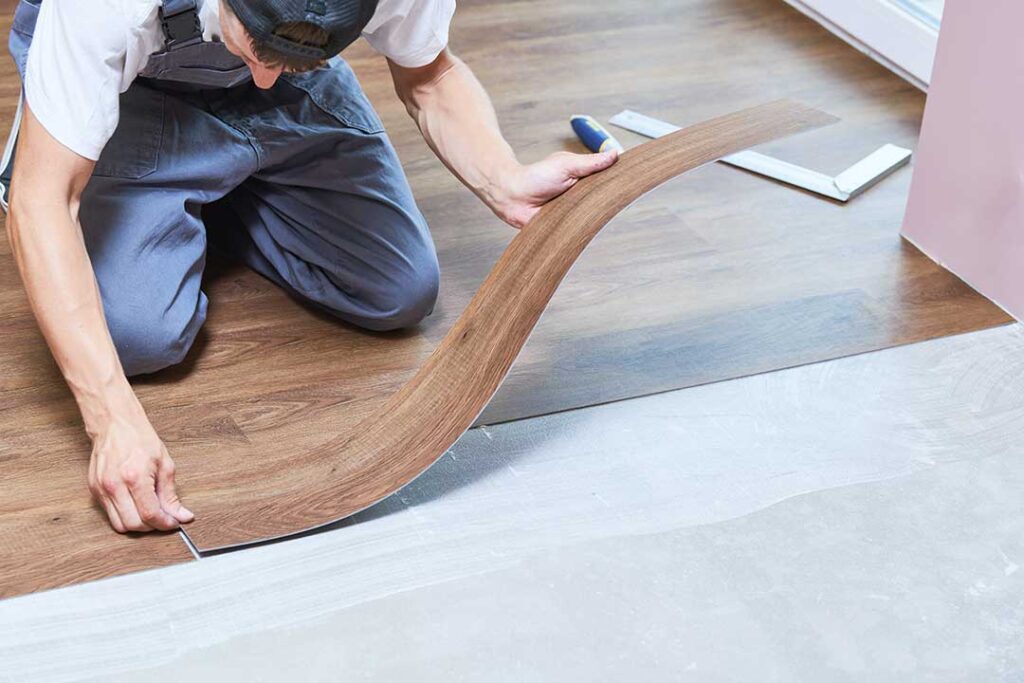
- Luxury Vinyl Plank (LVP): LVP has become popular for delivering the appearance of wood or stone at a lower cost. It’s waterproof, easy to clean, and can handle sudden drops in temperature—an advantage in Greeley’s varied climate. Many households install LVP in kitchens, basements, and bathrooms.
- Laminate Flooring: Laminate features a photographic surface that imitates wood or tile and is generally more budget-friendly than genuine wood. It resists scratches, which is useful in homes with pets or kids. While it isn’t fully waterproof, it holds up well in living areas and bedrooms.
- Ceramic and Porcelain Tile: Some tile options, especially 12×12 basic ceramics, can be surprisingly affordable. Tiles suit areas exposed to moisture, such as bathrooms, laundry rooms, and entryways that see muddy boots during Greeley’s snowy winters.
- Sheet Vinyl: This older standby has improved in design and durability. It’s seamless in small spaces, making it easy to mop, and can be a lifesaver in rental properties or utility spaces.
Each material comes in a range of colors and patterns to match different decorating needs, so even at lower price points, style doesn’t have to be sacrificed.
How Can Residents Know Which Flooring Holds Up Best Locally?
Local climate and lifestyle are crucial factors in long-term floor performance. In Greeley, swings between hot, dry summers and chilly, wet winters can impact flooring differently than in other regions.
- Moisture Resistance: Seasonal snow and rain increase moisture tracked indoors. Hard surfaces like LVP and tile are less likely to warp or stain compared to less expensive wood composites.
- Temperature Changes: Floors expand and contract as temperatures shift. Vinyl and laminate often handle these changes better than cheaper hardwood, which may gap or swell.
- Dust and Allergens: With Greeley’s wind and dust, smooth flooring like vinyl, laminate, and glazed tile is easier to sweep or mop clean, making it a wise choice for those with allergies.
Observing which types last in nearby homes of similar construction can guide a renovation plan. Conversations with neighbors or local housing forums sometimes offer insight about hidden pitfalls, like the tendency of lower-quality laminate to delaminate near entry doors.
Can DIY Installation Further Reduce Costs?
Installing some budget-friendly flooring types is within reach for many local homeowners and can cut project spending substantially.
- Laminate and LVP: Nearly all varieties now use simple click-and-lock systems. Minimal tools are required. Clear, step-by-step instructions are often included, and online tutorials are widely available.
- Sheet Vinyl: Pre-cut sheet vinyl for small rooms (like bathrooms or laundry spaces) doesn’t usually require heavy equipment. A careful measurement and a sharp utility knife are essential.
- Ceramic Tile: Tiling requires more skill, especially for even grout lines. Small spaces may be manageable for a patient DIYer using tile spacers and a rented tile cutter.
Overlooking prep work—such as ensuring the subfloor is flat, clean, and dry—can lead to uneven surfaces, peeling, or creaks. DIY approaches aren’t always suitable for stairs or unusually shaped rooms, but many straightforward installations yield excellent results when time and care are taken.
How Do Maintenance Demands Differ Among Inexpensive Floors?
Affordable floors can look good for years with routine care, especially when matched to household needs and local cleaning habits.
- Vinyl and Laminate: Sweep regularly and use a lightly damp mop. Avoid harsh scrubbers and excessive moisture, which could seep through seams.
- Tile: Grout lines need periodic scrubbing or resealing to prevent discoloration. Tiles themselves are easy to maintain.
- Sheet Vinyl: Like other smooth surfaces, it only needs sweeping and mopping. Be careful to avoid gouges from dropped objects or dragging furniture.
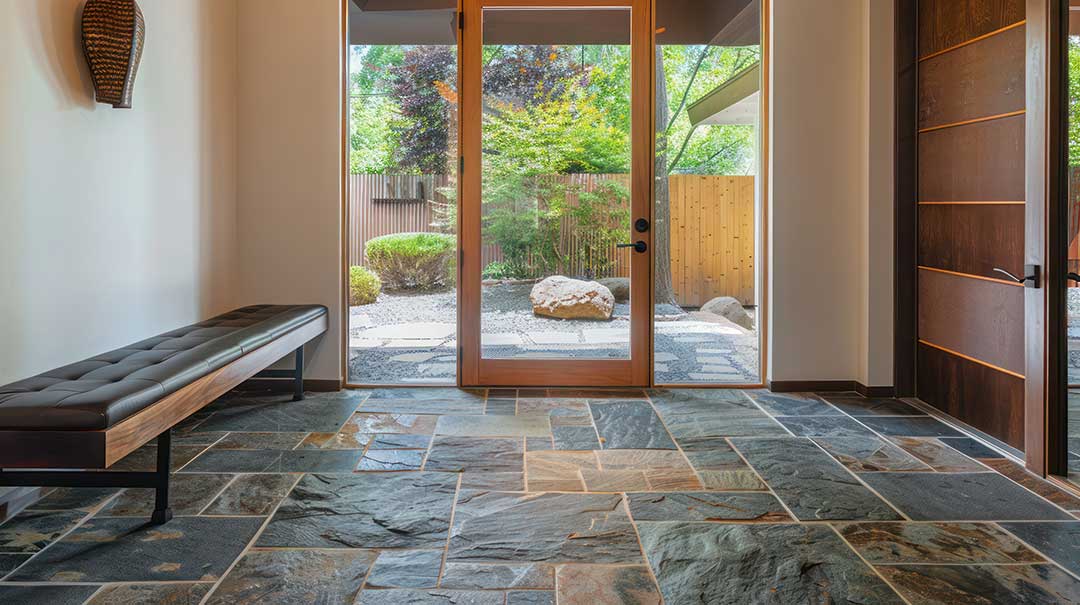
Knowing which types resist scuffs from boots, pet claws, or grit tracked in from outside makes day-to-day upkeep more straightforward. Most low-cost hard flooring withstands typical messes from local weather, but door mats and boot trays are practical investments for every finish.
Are There Hidden Costs or Trade-Offs to Consider?
Selecting flooring on budget alone can lead to overlooked expenses. Local residents might be surprised by a few common situations:
- Underlayment: Some laminate and vinyl require a specific underlayment for soundproofing or moisture protection. Skipping this step can void product warranties or reduce the comfort and longevity of the floor.
- Trim and Transitions: Door thresholds, finishing trim, and baseboards often need replacement or repainting after a new floor is installed, which adds modest but real costs.
- Disposal of Old Flooring: Homeowners must safely dispose of carpet, old tile, or worn vinyl. Many area waste management facilities accept construction debris, but some types may carry fees or require special pickup.
- Longevity: Budget floors typically last 10–20 years. While they can be replaced more easily than expensive materials, frequent changes may outweigh initial savings for those who expect to stay in their homes long-term.
Being aware of these issues helps prevent surprises mid-project and allows for more accurate cost planning from the beginning.
What Flooring Mistakes Do Homeowners in Greeley Most Often Regret?
Inexpensive flooring options can be successful when matched thoughtfully to each room and use-case. Some regrets heard locally stem from:
- Choosing non-waterproof laminate for kitchens or basements prone to moisture
- Skimping on prep and underlayment, resulting in bouncy or noisy floors
- Ignoring slope or irregularity in older homes, causing DIY floors to shift or gaps to open
- Failing to allow new flooring to acclimate to temperature and humidity before installation
Taking a few extra steps in planning and installation helps even limited budgets go farther. By considering the unique housing and weather conditions in the area, residents can find floor solutions that are both affordable and satisfying for daily life.